From “Can’t Do” to “Can Do”: Adapting Activities in Dementia Care
Last week, we talked about bringing life into the day through engagement.
This week, we take that one step further.
Because one of the biggest mindset shifts in dementia care is learning to move from:
“They can’t do that anymore.”
to:
“How can we help them still participate?”
And that shift changes everything.
🌱 The Problem With a “Can’t Do” Lens
It’s understandable.
As dementia progresses, we naturally notice the things that have changed:
- Tasks take longer
- Steps are forgotten
- Safety becomes a concern
- Activities may no longer look the same
And over time, it becomes easy to begin removing activities altogether.
But when we automatically assume someone can’t do something, we often unintentionally take away:
- Purpose
- Independence
- Identity
- Confidence
- Opportunities for connection
In dementia care, the goal is not perfection.
The goal is participation.
Because even when abilities change, there are almost always remaining abilities we can support.
And yes—it may look different now.
But different does not mean meaningless.
🌿 Success May Look Different
This is important:
A person with dementia does not need to complete an activity perfectly for it to be worthwhile.
Success might be:
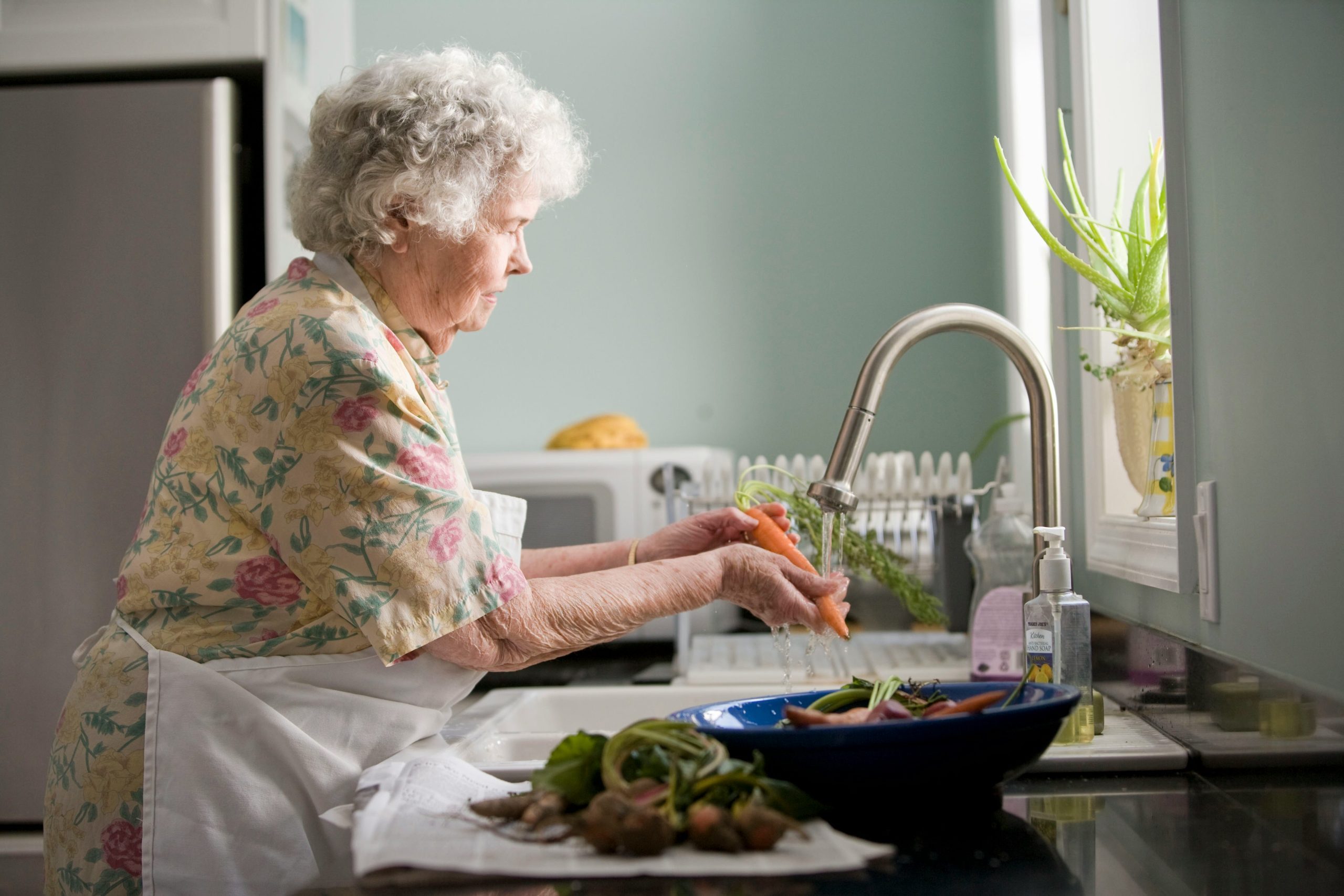
- Stirring instead of cooking the entire meal
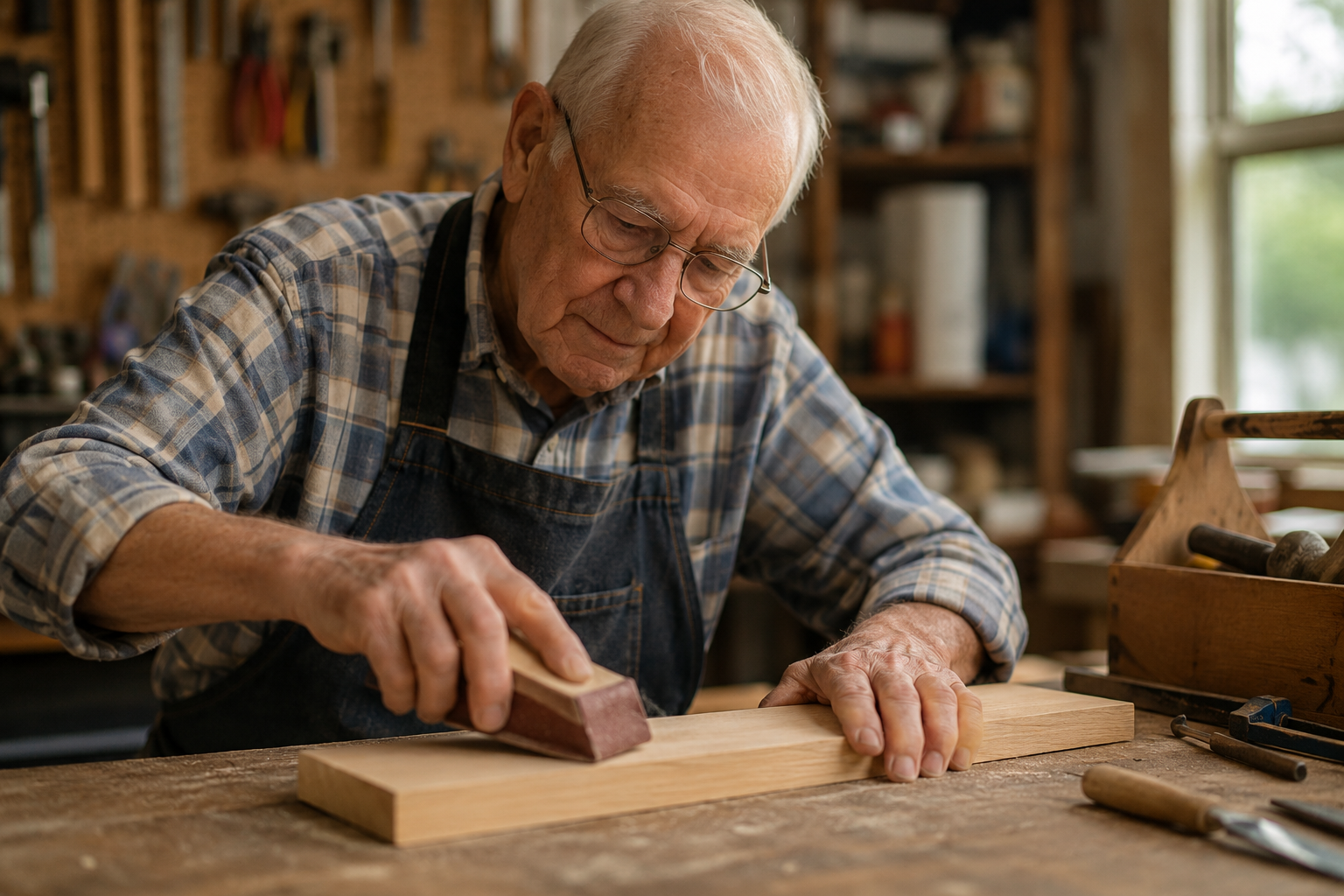
- Sanding wood instead of building the full project
- Folding one towel instead of an entire basket
- Listening to music instead of singing every word
When we shift our expectations, we often rediscover what is still possible.
🌼 Adapting Activities Across Different Stages
Every person is unique, and dementia does not follow a perfect formula.
But generally, there are ways individuals at every stage can still participate meaningfully.
The key is learning to recognize and support the abilities that remain.
🌱 Early Stage Dementia
In early stages, many individuals still have a wide range of abilities.
They may still:
- Read and follow written instructions
- Carry conversations well
- Complete familiar tasks independently
- Use fine motor skills successfully
- Follow one- or multi-step directions
- Problem solve, though sometimes more slowly
- Maintain hobbies and routines with mild support
The focus here is often:
- Simplifying complexity
- Reducing overwhelm
- Supporting confidence and independence
Helpful adaptations may include:
- Breaking large projects into steps
- Using written reminders or visual cues
- Allowing extra time
- Reducing distractions
- Organizing materials ahead of time
Examples:
- Gardening with a simplified task list
- Cooking with ingredients pre-organized
- Woodworking with setup and safety assistance
- Sewing or crafting with extra time
- Participating in household responsibilities
- Card games with simplified rules
The goal is not to take over.
It’s to support success while preserving independence.
🌿 Middle Stage Dementia
In middle stages, abilities are changing, but many meaningful abilities still remain.
Individuals may still:
- Follow simple one-step directions
- Mimic or copy demonstrated actions
- Participate in repetitive motions
- Use gross motor skills
- Engage socially and emotionally
- Recognize familiar objects and routines
- Respond strongly to music, rhythm, and sensory experiences
At this stage, activities often need more structure, cueing, and hands-on support.
Helpful adaptations may include:
- Giving one direction at a time
- Demonstrating instead of explaining
- Handing items one at a time
- Reducing choices
- Focusing on repetitive or rhythmic tasks
- Prioritizing familiarity over novelty
Examples:
- Folding towels
- Stirring batter
- Sanding wood pieces
- Sorting tools, screws, or hardware
- Watering plants
- Matching socks
- Singing familiar songs
- Walking outdoors
- Simple art or painting activities
At this stage, the experience matters more than the finished product.
🌸 Late Stage Dementia
In later stages, abilities become more sensory, emotional, and relational.
And this is where many people mistakenly assume activities are no longer possible.
But meaningful engagement can still happen every day.
Individuals may still:
- Respond to touch and tone of voice
- Experience comfort through familiar sensory input
- Enjoy music and rhythm
- Feel emotional connection
- Engage visually with movement, color, or nature
- Participate through hand-under-hand guidance
- Express pleasure, calm, or discomfort
The focus becomes:
- Comfort
- Sensory connection
- Emotional familiarity
- Presence
- Human connection
Helpful adaptations may include:
- Hand-under-hand assistance
- Music and singing
- Gentle movement
- Familiar textures and scents
- Short, calming interactions
- Quiet one-on-one engagement
Examples:
- Holding warm towels
- Listening to favorite music
- Smelling baked goods or fresh-cut wood
- Touching soft fabrics
- Watching birds outdoors
- Hand massage with scented lotion
- Tapping along to rhythm
- Sitting beside someone while they participate
At this stage, connection is the activity.
🌼 Putting It Into Practice
Example: Baking
A person may no longer be able to independently bake a cake from start to finish.
But that does not mean baking is gone.
A “can do” approach asks:
What parts are still possible?
Early Stage
- Reading the recipe together
- Gathering ingredients
- Measuring and mixing with reminders
Middle Stage
- Pouring pre-measured ingredients
- Stirring batter
- Placing liners in muffin tins
- Rolling dough
Late Stage
- Smelling vanilla or cinnamon
- Feeling the texture of dough
- Listening to kitchen sounds
- Tasting the finished product
- Sitting nearby while participating socially
The activity changes.
But the meaning, familiarity, and connection can remain.
Example: Woodworking
A lifelong woodworker may no longer safely operate power tools.
But woodworking itself does not have to disappear.
Early Stage
- Smaller supervised projects
- Organizing tools
- Measuring and sanding
Middle Stage
- Sanding wood pieces
- Sorting nails or hardware
- Holding materials during projects
- Feeling different textures of wood
Late Stage
- Smelling sawdust or wood stain
- Holding smooth pieces of finished wood
- Watching others work
- Talking about past projects
Again – the goal is not perfection.
It’s preserving identity, purpose, and connection.
💬 Final Thought
A dementia diagnosis changes abilities.
But it does not erase the human need for purpose, participation, and meaning.
When we shift from:
“They can’t do this anymore.”
to:
“How can we help them still be part of this?”
…we begin to create care that empowers instead of limits.
And often, we discover far more is still possible than we first imagined.