Category: Working with Dementia

How We Do It Here June Week One
Resources & ToolsWorking with Dementia

How We Do It Here

A Professional Series on Building Better Dementia Care

June: Dementia-Friendly Environments in Senior Living & Care Settings

Why Environments Matter

At Dementia Life STL, we have the privilege of spending time in many senior living communities, memory care neighborhoods, adult day programs, and care settings throughout our region.

And we want to say something honestly, respectfully, and with tremendous hope:

Very few environments are truly dementia friendly.

Even in memory care.

Even in communities where families are paying thousands of dollars each month specifically for dementia support.

This is not said with judgment.

It is said because we believe our field can do better – and because we know firsthand that when environments improve, resident well-being improves too.

The truth is: many of the challenges communities struggle with every day are deeply connected to environment.

  • Noise
  • Overstimulation
  • Rushed care
  • Cold temperatures and drafts
  • Confusing layouts
  • Unfriendly or task-focused approaches
  • Lack of meaningful engagement
  • Too many instructions at once
  • Institutional pacing instead of human pacing

The environment matters far more than many organizations realize.

And when communities intentionally create dementia-friendly environments, we often see improvements in:

  • Distress behaviors
  • Dining success
  • Activity participation
  • Medication refusals
  • Cooperation during care
  • Sleep patterns
  • Staff stress levels
  • Family satisfaction
  • Overall resident quality of life

Because dementia does not just affect memory.

It affects how a person experiences the world around them.

The Environment Is Either Supporting the Brain – Or Working Against It

As dementia progresses, the brain may struggle to process background noise, busy visual environments, multiple conversations, complicated instructions, overstimulation, unfamiliar spaces, rushed interactions, and unpredictability.

What may feel normal to staff can feel exhausting, frightening, or overwhelming to a resident living with cognitive changes.

And often, what we label as:

  • “Noncompliance”
  • “Attention-seeking”
  • “Agitation”
  • “Wandering”
  • “Refusing care”
  • “Behaviors”

may actually be communication.

The resident may be saying:

“I’m overwhelmed.”

“I’m scared.”

“I’m so cold.”

“There’s too much happening.”

“I don’t understand.”

“I need more time.”

“I don’t feel safe.”

“My brain cannot process this environment.”

This is why dementia-friendly environments are not an “extra.”

They are clinical care.

And they affect nearly every outcome communities care about.

Before Anything Else, The Community Must Decide: “How We Do It Here”

Walk into almost any family home and you will often find signs on the walls that tell you what matters there.

“In this house, we laugh often.”

“Family is everything.”

“Be kind.”

“Gather here.”

“Bless this home.”

Those signs are not really decorations.

They are declarations.

They communicate the values, culture, and expectations of the people who live there.

Senior living communities should be no different.

Before changing lighting, dining rooms, sensory stimulation, routines, or care approaches, organizations first need to decide:

Who are we?

What do we stand for?

How do we want people to feel when they live here, work here, and visit here?

The communities that successfully create dementia-friendly environments almost always have a shared philosophy that sounds something like:

“In our home, we slow down.”

“In our home, residents come first.”

“In our home, emotional safety matters.”

“In our home, we connect instead of correct.”

“In our home, we create calm.”

“In our home, every person is treated with dignity.”

“In our home, relationships matter more than routines.”

“In our home, we work together.”

These statements may never appear on a decorative sign hanging on the wall.

But they should be visible in every interaction.

Because culture is not what an organization says.

Culture is what people experience.

And dementia-friendly care begins long before environmental changes are made.

It begins with deciding:

This is how we do it here.

That culture must come before the environmental changes.

Because without shared buy-in, dementia-friendly care becomes inconsistent from shift to shift, department to department, and person to person.

And yes, there may be pushback at first.

Some staff may say:

“We don’t have time.”

“This is unrealistic.”

“We’ve always done it this way.”

“Families don’t understand staffing challenges.”

“Residents just have behaviors.”

But when teams begin understanding the WHY behind dementia-friendly care, perspectives often begin to shift.

Research has repeatedly shown that person-centered dementia care environments are associated with improved staff satisfaction, reduced burnout, better teamwork, and improved quality of care.

Studies have also shown that staff who feel supported in delivering person-centered dementia care often experience greater professional fulfillment and stronger connection to their work.

And honestly, many caregivers entered this field because they wanted to help people feel safe, valued, and cared for – not simply complete tasks on a schedule.

How To Begin Changing the Environment

The first step is simple:

Include everyone.

Every single person who walks into memory care contributes to the environment residents experience.

Not just nursing.

Not just activities.

Not just leadership.

Everyone.

  • Dining staff
  • Housekeeping
  • Receptionists
  • Maintenance
  • Caregivers
  • Medication technicians
  • Nurses
  • Volunteers
  • Therapy staff
  • Executive directors
  • Agency staff

Everyone should understand:

  • How dementia changes the brain
  • Why environments matter
  • How sensory overload affects residents
  • How pacing and tone affect distress
  • Why residents may react the way they do
  • What supportive dementia care actually looks like

This cannot live only in annual training modules.

It has to become:

“How we do it here.”

Do This Exercise With Your Team

At your next staff meeting or town hall, try this exercise.

Turn on a television.

Play music in the background.

Have multiple staff members talk at once.

Then ask one employee to complete a task they are unfamiliar with while someone gives rapid instructions and corrects them impatiently.

Then add another layer:

Have them wear blurry glasses, sunglasses indoors, or goggles that distort their vision.

Afterward, ask:

“How did that feel?”

Most people describe feeling:

  • Anxious
  • Overstimulated
  • Frustrated
  • Pressured
  • Mentally exhausted
  • Distracted
  • Irritated
  • Confused

Now ask your team:

“What if this was your reality every day?”

That moment creates empathy.

And empathy creates buy-in.

And eventually, ownership and pride in the care being delivered and the community they help create.

Making It Stick: “How We Do It Here”

Dementia-friendly culture must become:

“How we do it here.”

That means:

  • Talking about it during interviews
  • Discussing it in orientation
  • Training consistently
  • Modeling it daily
  • Recognizing staff who do it well
  • Coaching staff who struggle
  • Holding teams accountable

Communities should be very clear during hiring about the type of dementia care culture they are building.

And accountability matters.

If a staff member consistently approaches residents with impatience, harshness, dismissiveness, or rushed care, that cannot simply be overlooked because “the tasks got done.”

Because in dementia care, how care is delivered matters just as much as whether the task was completed.

Families notice.

Residents feel it.

Staff culture reflects it.

And leadership sets the tone.

Start Small – One Change Each Week

Communities do not need to overhaul everything overnight.

In fact, the most sustainable change often happens gradually.

Challenge your team to improve just one thing each week.

Maybe this week:

Televisions are turned off during meals and calendar activities.

Next week:

We make comfort a priority and ensure temperatures are appropriate throughout the community.

The following week:

Staff focus on smiling, slowing down, and approaching residents with a gentle tone.

Then:

We create more predictable daily routines and transitions.

Small environmental shifts can create enormous changes over time.

And staff begin seeing firsthand:

“This really works.”

Become the Local Expert Families Trust

Families today are searching for communities that truly understand dementia.

Not just communities that provide supervision.

Not just communities with locked doors.

Families are looking for environments where their loved one will be understood, comforted, supported, and treated with dignity.

Communities that intentionally build dementia-friendly environments position themselves as leaders in their local area.

Not through marketing slogans.

But through culture.

Through outcomes.

Through resident well-being.

Through family trust.

And ultimately, that is what drives most of us into this field in the first place.

Not just occupancy.

Not just tasks.

But improving quality of life for people living with dementia.

At Dementia Life STL, we would love to help organizations build environments where residents — and staff — can truly thrive.

Because the best dementia care is not something we say.

It’s something people experience.

It’s simply…

How we do it here.

We’d Love to Help

If this article sparked ideas for your team, we’d love to continue the conversation.

Dementia Life STL offers a free Dementia-Friendly Environments Skill Builder and Staff In-Service Packet for organizations looking to begin improving their environment and culture.

We also provide no-cost staff trainings, caregiver education, community presentations, and our immersive Dementia Experience throughout the region.

Whether you’re just getting started or looking to take your dementia care to the next level, we’re here to help.

Reach out anytime – we’d love to connect.

📧 mary@dementialife.care
🌐 www.dementialife.care

man sanding wood
Daily Life & CaregivingWorking with Dementia

From “Can’t Do” to “Can Do”: Adapting Activities in Dementia Care

Last week, we talked about bringing life into the day through engagement.

This week, we take that one step further.

Because one of the biggest mindset shifts in dementia care is learning to move from:

“They can’t do that anymore.”

to:

“How can we help them still participate?”

And that shift changes everything.


🌱 The Problem With a “Can’t Do” Lens

It’s understandable.

As dementia progresses, we naturally notice the things that have changed:

  • Tasks take longer
  • Steps are forgotten
  • Safety becomes a concern
  • Activities may no longer look the same

And over time, it becomes easy to begin removing activities altogether.

But when we automatically assume someone can’t do something, we often unintentionally take away:

  • Purpose
  • Independence
  • Identity
  • Confidence
  • Opportunities for connection

In dementia care, the goal is not perfection.

The goal is participation.

Because even when abilities change, there are almost always remaining abilities we can support.

And yes—it may look different now.

But different does not mean meaningless.


🌿 Success May Look Different

This is important:

A person with dementia does not need to complete an activity perfectly for it to be worthwhile.

Success might be:

  • Stirring instead of cooking the entire meal
  • Sanding wood instead of building the full project
  • Folding one towel instead of an entire basket
  • Listening to music instead of singing every word

When we shift our expectations, we often rediscover what is still possible.


🌼 Adapting Activities Across Different Stages

Every person is unique, and dementia does not follow a perfect formula.

But generally, there are ways individuals at every stage can still participate meaningfully.

The key is learning to recognize and support the abilities that remain.


🌱 Early Stage Dementia

In early stages, many individuals still have a wide range of abilities.

They may still:

  • Read and follow written instructions
  • Carry conversations well
  • Complete familiar tasks independently
  • Use fine motor skills successfully
  • Follow one- or multi-step directions
  • Problem solve, though sometimes more slowly
  • Maintain hobbies and routines with mild support

The focus here is often:

  • Simplifying complexity
  • Reducing overwhelm
  • Supporting confidence and independence

Helpful adaptations may include:

  • Breaking large projects into steps
  • Using written reminders or visual cues
  • Allowing extra time
  • Reducing distractions
  • Organizing materials ahead of time

Examples:

  • Gardening with a simplified task list
  • Cooking with ingredients pre-organized
  • Woodworking with setup and safety assistance
  • Sewing or crafting with extra time
  • Participating in household responsibilities
  • Card games with simplified rules

The goal is not to take over.

It’s to support success while preserving independence.


🌿 Middle Stage Dementia

In middle stages, abilities are changing, but many meaningful abilities still remain.

Individuals may still:

  • Follow simple one-step directions
  • Mimic or copy demonstrated actions
  • Participate in repetitive motions
  • Use gross motor skills
  • Engage socially and emotionally
  • Recognize familiar objects and routines
  • Respond strongly to music, rhythm, and sensory experiences

At this stage, activities often need more structure, cueing, and hands-on support.

Helpful adaptations may include:

  • Giving one direction at a time
  • Demonstrating instead of explaining
  • Handing items one at a time
  • Reducing choices
  • Focusing on repetitive or rhythmic tasks
  • Prioritizing familiarity over novelty

Examples:

  • Folding towels
  • Stirring batter
  • Sanding wood pieces
  • Sorting tools, screws, or hardware
  • Watering plants
  • Matching socks
  • Singing familiar songs
  • Walking outdoors
  • Simple art or painting activities

At this stage, the experience matters more than the finished product.


🌸 Late Stage Dementia

In later stages, abilities become more sensory, emotional, and relational.

And this is where many people mistakenly assume activities are no longer possible.

But meaningful engagement can still happen every day.

Individuals may still:

  • Respond to touch and tone of voice
  • Experience comfort through familiar sensory input
  • Enjoy music and rhythm
  • Feel emotional connection
  • Engage visually with movement, color, or nature
  • Participate through hand-under-hand guidance
  • Express pleasure, calm, or discomfort

The focus becomes:

  • Comfort
  • Sensory connection
  • Emotional familiarity
  • Presence
  • Human connection

Helpful adaptations may include:

  • Hand-under-hand assistance
  • Music and singing
  • Gentle movement
  • Familiar textures and scents
  • Short, calming interactions
  • Quiet one-on-one engagement

Examples:

  • Holding warm towels
  • Listening to favorite music
  • Smelling baked goods or fresh-cut wood
  • Touching soft fabrics
  • Watching birds outdoors
  • Hand massage with scented lotion
  • Tapping along to rhythm
  • Sitting beside someone while they participate

At this stage, connection is the activity.


🌼 Putting It Into Practice

Example: Baking

A person may no longer be able to independently bake a cake from start to finish.

But that does not mean baking is gone.

A “can do” approach asks:
What parts are still possible?

Early Stage

  • Reading the recipe together
  • Gathering ingredients
  • Measuring and mixing with reminders

Middle Stage

  • Pouring pre-measured ingredients
  • Stirring batter
  • Placing liners in muffin tins
  • Rolling dough

Late Stage

  • Smelling vanilla or cinnamon
  • Feeling the texture of dough
  • Listening to kitchen sounds
  • Tasting the finished product
  • Sitting nearby while participating socially

The activity changes.

But the meaning, familiarity, and connection can remain.


Example: Woodworking

A lifelong woodworker may no longer safely operate power tools.

But woodworking itself does not have to disappear.

Early Stage

  • Smaller supervised projects
  • Organizing tools
  • Measuring and sanding

Middle Stage

  • Sanding wood pieces
  • Sorting nails or hardware
  • Holding materials during projects
  • Feeling different textures of wood

Late Stage

  • Smelling sawdust or wood stain
  • Holding smooth pieces of finished wood
  • Watching others work
  • Talking about past projects

Again – the goal is not perfection.

It’s preserving identity, purpose, and connection.


💬 Final Thought

A dementia diagnosis changes abilities.

But it does not erase the human need for purpose, participation, and meaning.

When we shift from:
“They can’t do this anymore.”

to:
“How can we help them still be part of this?”

…we begin to create care that empowers instead of limits.

And often, we discover far more is still possible than we first imagined.

care pic4
Working with Dementia

They Deserve Better: Why Personal Care Is a Measure of Dementia Care Quality

Personal care may seem like a small part of dementia care—but it shapes a person’s entire day.

Clean clothes.
Brushed teeth.
Hair gently combed.
Hands washed.
A clean brief.

These are not cosmetic details. For a person living with dementia, personal care is about dignity, comfort, and being treated as someone who still matters.

Yet in long-term care and memory care settings, personal care is one of the most commonly rushed, delayed, or missed aspects of care.

Not always because caregivers don’t care – but often because the system is stretched thin.


Why Dignified Personal Care Is So Important in Dementia Care

In many long-term care communities, staff are responsible for too many residents with too little time. When this happens, care becomes task-focused instead of person-centered.

Harmful assumptions can also creep in:

  • “They don’t notice anymore.”
  • “They don’t care how they look.”
  • “They’ll just resist.”

But here is the truth we cannot ignore:

People with dementia are often more aware than we think.
Even when words fade, emotional awareness remains.

Think about how you feel when you leave the house not looking or feeling your best. That discomfort does not disappear with dementia. In many cases, it intensifies – because the person may feel something is wrong without being able to explain it.

Personal care communicates something powerful:
You are worth care. You are worth time. You are worthy of dignity.

It is also directly tied to health outcomes:

  • Clean skin reduces infections and skin breakdown
  • Oral care lowers the risk of pain, aspiration, and pneumonia
  • Clean clothing and briefs reduce UTIs and irritation
  • Grooming supports comfort, confidence, and calmer behavior

When dignity is protected, health improves.


Why People With Dementia Need Help With Personal Care

One of the most misunderstood parts of dementia care is why personal care becomes difficult.

Dementia changes the brain in ways that affect planning, sequencing, and initiation – even for tasks someone did independently for decades.

As dementia progresses:

  • The brain may no longer remember that personal care needs to happen
  • The person may forget when it should happen
  • Sequencing steps (turning on water, picking up a toothbrush, knowing what comes next) becomes difficult
  • Multiple steps can feel overwhelming
  • Sensations like discomfort or uncleanliness may not register the same way

This is not stubbornness.
It is not refusal.
It is the disease affecting the brain.

Without guidance and hands-on support, personal care can quietly disappear – not because it isn’t needed, but because the brain can no longer manage it alone.


What Dignified Personal Care Should Include

Personal care is not optional. It is essential care.

At a minimum, dignified dementia care should include:

  • Clean, weather-appropriate clothing changed daily
  • Teeth brushed or dentures cleaned morning and night
  • Hair gently brushed or styled in a familiar way
  • Hands washed regularly, especially before meals
  • Clean, dry briefs or undergarments checked frequently
  • Face washed and skin cared for
  • Privacy, modesty, and respect at every step

These details directly affect how a person feels in their body – and in the world.


Dementia Personal Care at Home: What Families Can Do

Caring for someone with dementia at home can make personal care one of the hardest parts of the day. Resistance is common – not because the person doesn’t need care, but because the experience can feel confusing or overwhelming.

The environment matters more than many realize.

Before personal care begins, ask:

  • Is the room warm enough?
  • Is the lighting soft and calming?
  • Is the space quiet and unrushed?

A cold room, harsh lights, or hurried tone can trigger anxiety before care even starts.

Helpful strategies include:

  • Keeping routines consistent
  • Preparing the space ahead of time
  • Using warm towels and comfortable water temperatures
  • Offering choices instead of commands
  • Explaining steps gently, even if repeated
  • Focusing on comfort rather than perfection
  • Being mindful of past trauma
  • Asking for help before burnout sets in

Personal Care in Memory Care and Long-Term Care Communities

Families often assume that once a loved one moves into a care community, dignified personal care is guaranteed. Unfortunately, that is not always the case.

In busy environments, care can become task-driven instead of person-centered.

Families can and should:

  • Ask how often personal care is provided and documented
  • Clarify expectations for grooming, oral care, and clothing changes
  • Share lifelong routines, preferences, and sensitivities
  • Request care plan meetings when concerns arise
  • Speak up when care is missed or rushed

Advocacy is not being difficult.
It is protecting dignity.


A Message to Memory Care and Long-Term Care Directors

Dignified personal care starts with leadership.

As leaders, we are entrusted with the lives and daily care of some of the most vulnerable people in our society. That entrustment is profound – and it must be taken soberly. Families are not just choosing a building or a program; they are placing their loved ones, and their trust, in our hands.

Staff take their cues from what is taught, modeled, and enforced. It begins with us.

Education matters

  • Teach that personal care directly affects health, comfort, and behavior
  • Reinforce that emotional awareness often remains long after memory fades
  • Help staff understand that rushing or skipping care communicates something powerful

Expectations must be clear

  • Define what daily personal care includes
  • Set standards for grooming, oral care, clothing, and toileting
  • Ensure expectations are written, taught, and reinforced
  • Enforce no–cell phone policies during resident care time
  • Acknowledge that time spent on personal devices is time taken away from residents who rely entirely on staff for care and dignity

Personal care requires presence. Phones divide attention from residents who need eye contact, patience, and human connection.

Inspiration sustains culture

  • Share resident stories and life histories
  • Remind staff these are someone’s parent, spouse, or grandparent
  • Recognize staff who consistently provide compassionate care

Accountability requires courage

  • Address patterns of missed or rushed care
  • Coach first, but do not look away
  • Understand that accountability is protective, not punitive

Ignoring poor care does not protect staff.
It harms residents.


A Truth We Must Hold Together

Personal care is one of the clearest reflections of how we value another human being.

When it is rushed or overlooked, something deeper is lost. When it is done with patience and presence, dignity is preserved.

Even in an industry overwhelmed by staffing shortages, regulations, and challenges that can feel insurmountable, we cannot look away from this. The pressures are real – but so is the person standing in front of us, depending on others for care.

People living with dementia are still here. They are still feeling. They are still deserving of care that honors who they are.

The details may seem small – but to someone who depends on others for everything, they are everything.

h15-1-1
Working with Dementia

In Our Home, We Dance: A Call to Stop Correcting and Start Connecting in Dementia Care

I was in a memory care community some time ago, doing a sing-along with a group of residents. The piano keys rang out as I played an old familiar waltz — one of those songs that stirs something deep, something that memory loss can’t erase. A woman, maybe in her mid 70s, rose from her seat with a radiant smile and began to sway to the music. Her movements were gentle, full of grace. But within moments, a staff member called out sharply:

“Sit down! You know you’re not supposed to get up like that.”

She wasn’t a significant fall risk. She wasn’t unsafe. She was simply dancing. I watched the smile leave her face. She began to walk around, confused.

A few minutes later, she noticed another resident whose blanket had slipped to the floor. Tenderly, she smiled, picked it up, and began to tuck it around the woman’s shoulders. Again, staff intervened:

“I told you — leave her alone! That’s not your job.”

When she wandered over to the piano with childlike curiosity and joy, eager to be part of the music, she was met with another correction:

“That’s not for you. I told you — go sit down!”

Then came the heartbreak. Her face flushed. She grew agitated. Distressed. Tried to leave the community altogether, setting off the door alarm. The staff labeled it a “behavior.” But I saw something else that broke my heart:
A spirit being chipped away, one “no” at a time.


What We Hear All the Time — and Why It Hurts

I wish this had been a rare occurrence. Sadly, it isn’t. These kinds of harsh corrections happen every day in memory care communities. You’ve probably heard them too:

  • “Stop that!” when a resident tries to push another’s wheelchair out of a desire to help.
  • “Sit down!” barked at someone who, due to memory loss, doesn’t remember they can no longer walk unassisted.
  • “Don’t touch that!” when a resident reaches for something that sparks interest or familiarity.
  • “That’s not yours!” when someone picks up a purse or sweater — because in their mind, it may truly be theirs.
  • “You already ate!” when someone asks when lunch is — for the third time.
  • “You live here now, remember?” said to a resident asking to go home.

These reactions are often born out of frustration — and sometimes fear — especially when staff feel overwhelmed or unsupported. But they leave behind lasting damage. These aren’t just “corrections.” They are often the cause of distress, agitation, and emotional pain.


Why Correction Doesn’t Work

Alzheimer’s and other forms of dementia damage the parts of the brain responsible for short-term memory, logic, decision-making, and impulse control. This means:

  • They may not remember the “rules” you just told them.
  • They may not understand your tone or reasoning.
  • They may not grasp why you’re upset — only that you are.

What may look like “noncompliance” or someone “being difficult” is often simply confusion or an unmet need. What appears to be “wandering” might be a search for safety, belonging, or purpose. What we label “attention-seeking” is often a deep desire for connection — to feel seen, useful, and loved.

When we correct, scold, or lecture, we’re not helping them remember.
We’re only making them feel wrong, small, ashamed, and unwanted.


Stop Correcting. Start Connecting.

Think about how you feel when someone corrects you harshly. Embarrassed? Defensive? It certainly doesn’t create a connection with the person doing the correcting.

We must stop treating people living with dementia like children who need to be managed. They are adults with a lifetime of experience — worthy of honor, dignity, and grace.

Here’s what works instead:

  • Take “no” out of your vocabulary. Redirect with kindness. If she wants to dance, let her. If safety is a concern, say, “Let’s do this together.”
  • Validate first. If he thinks he needs to go to work, don’t say, “You’re retired, remember?” Say, “You’ve always been such a hard worker. They were lucky to have you. Want to tell me about your job?” Then find something meaningful for him to do.
  • Don’t call it a “behavior” unless it truly is. Getting up, helping others, asking questions — these are human expressions, not problems.
  • See the need behind the action. Every “behavior” communicates something: loneliness, boredom, pain, fear, or love. Ask yourself: What is this person trying to tell me?
  • Let go of rigid expectations. Stop demanding that people with dementia sit still, stay quiet, and follow every “rule” we’ve subconsciously created. Life doesn’t end with a diagnosis — why should joy and purpose?

It Starts With Us

I often think of the signs we hang as decor in our own living rooms — “In our home we are kind, we have fun…”

We need to decide that in our memory care homes, we create a culture of dignity — without exception.

Just because someone has worked in memory care for years doesn’t mean they get to carry forward poor habits. As leaders, we MUST set the standard: This is how we do things here.

Culture change begins with leadership and accountability. It begins when caregivers and staff agree:
In our home, we treat each person as we would want to be treated.

That means:

  • A reminder to staff: residents are not children. Even if their abilities regress, they are still adults. 
  • .An understanding that the memory care community is their home — not ours. Our role is not to correct, fix, scold, or impose unnecessary restrictions. Our role is to gently guide.
  • Acknowledging that correction is stressful — for both the resident and the caregiver. Validation creates a far more peaceful environment.
  • Setting — or resetting — expectations. Caregivers must be engaged with the residents during their shift, not scrolling phones while the residents are “parked” in front of the television.
  • Modeling dignity and respect for every team member to follow. Remove “no,” “stop that,” and “don’t you remember?” from our vocabulary.
  • Speaking up when we witness interactions that aren’t honoring. Mistreatment – including raised voices – is never acceptable.
  • Teaching caregivers that there is a better and more dignified way. Instead of “Stop that,” try, “Thank you for your help. I appreciate you.” Then gently redirect.
  • Being willing to acknowledge when a caregiver is not a good fit for dementia care, and is unwilling to change poor habits.

As leaders in dementia care we MUST lead the way in creating and maintaining a culture of dignity and honor in our communities. We are entrusted with the precious lives of people who cannot speak up for themselves – and they are depending on us to be their voice. As family members, we must speak, act, and advocate for our loved ones until dignity is the standard, not the exception. Anything less is unacceptable.


We all want the same thing: a safe, loving, joyful environment where people with dementia are truly living — not just existing.

So let’s start here:

In our home, every person is valued.
In our home, we treat others as we would wish to be treated.
In our home, we don’t say “no” when we could say “yes.”
In our home, we dance.
In our home, we honor.
In our home, our words are kind, never harsh.
In our home, we care with love.

If you’re ready to shift from correcting to truly connecting, we’re here to help you make it happen. Our free staff training, Connecting Instead of Correcting, is designed to equip your team with practical, compassionate strategies that create a calmer, happier, more dignified environment for everyone.

Email mary@dementialife.care for more information.

sb1
Understanding DementiaWorking with Dementia

Bringing Memories to Life: Shadow Boxes for Memory Care

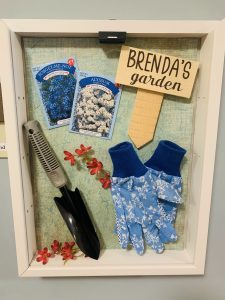
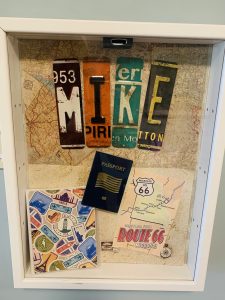
Shadow Boxes

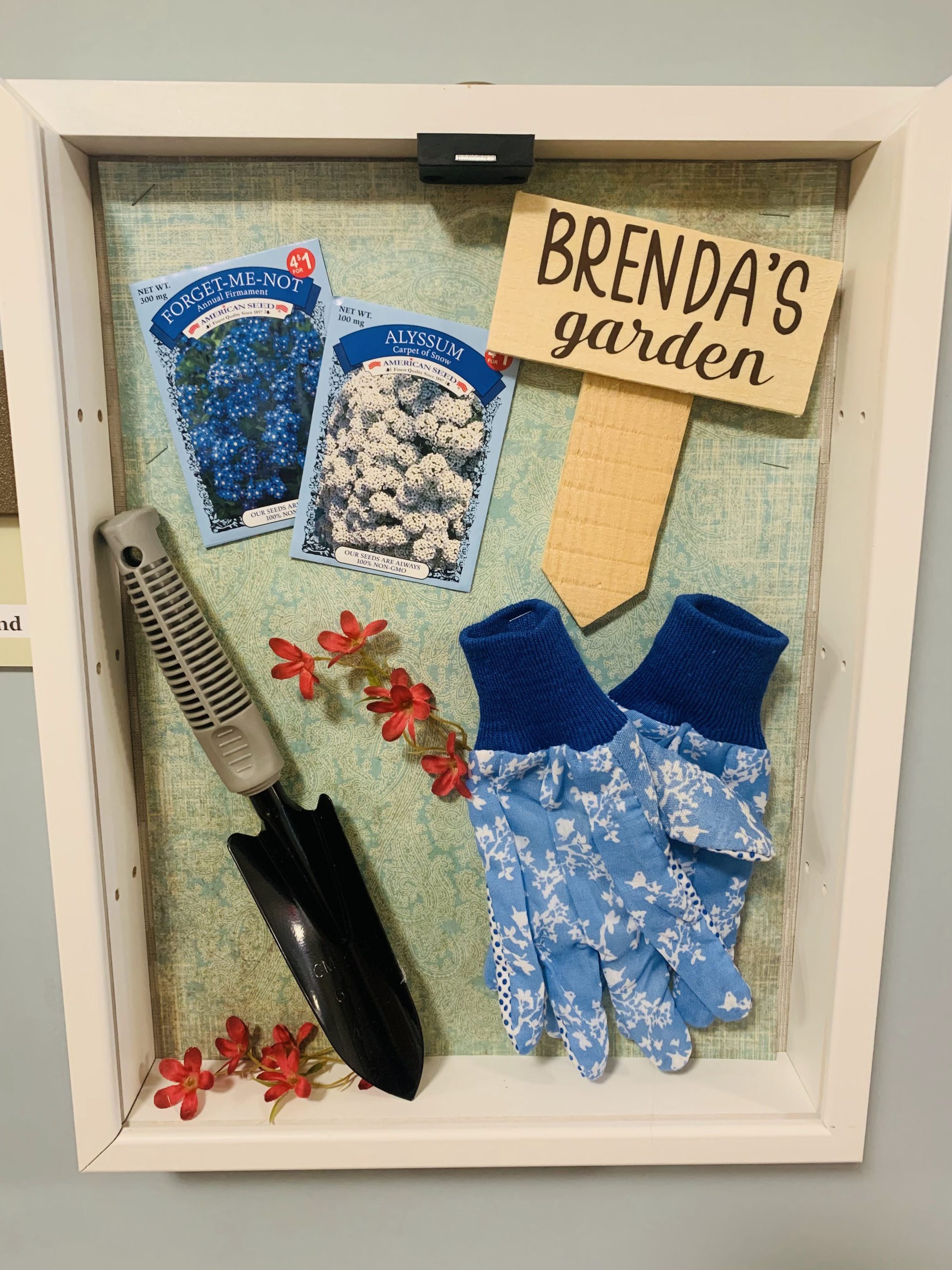
A shadow box is more than just a collection of items—it’s a window into a person’s most cherished memories. Filled with meaningful keepsakes, photographs, and mementos, it tells the story of a life well-lived and can encourage them to keep going.

For those experiencing memory loss, a shadow box can be a powerful tool. It not only serves as a visual reminder of their past but also enhances their overall well-being and supports meaningful interactions with caregivers and loved ones. Whether your loved one resides in a senior living community or at home, a memory shadow box can make a significant impact in their daily life.

I’ve had the privilege of creating many shadow boxes for Memory Care residents, and I’d love to share what I’ve learned to help you create one for someone special.

Step 1: Gather Information

Before you start, take time to learn about the individual’s life. Using a social profile, life story questionnaire, or personal interviews, gather details about their interests, hobbies, career, favorite places, and important life moments. This will guide you in choosing the most meaningful items to include.

Step 2: Choose a Style

There are two primary approaches to designing a shadow box:

Themed Shadow Box – Center the design around a specific aspect of their life, such as their career, a favorite sports team, a beloved hobby, or a passion they held dear. This creates a cohesive and visually appealing display.

Collage-Style Shadow Box – Incorporate a mix of items from different parts of their life, creating a rich, varied representation of their experiences. This approach highlights multiple parts of their personality and journey.

Step 3: Select Items for the Shadow Box

Once you’ve decided on a style, start gathering meaningful items. Consider including:

Their name (large and visible)

Photographs of family, friends, and significant life moments

Small mementos that hold sentimental value (ticket stubs, medals, fabric swatches, keychains, etc.)

If you’re looking for more items to fit the theme, don’t hesitate to shop for extra pieces that may complement the collection. I’ve found many of the items pictured below at Dollar Tree, Hobby Lobby, and Walmart.

Step 4: Choose the Right Size and Location

The size of the shadow box will depend on where you plan to display it and what you plan to put in it. If your loved one lives in a senior community, check for any guidelines about hanging shadow boxes. The ideal placement is just outside their door—it serves as a helpful visual cue to identify their space and creates an opportunity for engagement with caregivers and visitors.

Shadow boxes can be found online or at craft stores. While you’re there, grab some scrapbooking paper for the background!

Step 5: Assemble the Shadow Box

Now comes the fun part—bringing it all together! Use a hot glue gun or strong adhesive to securely attach each item to the scrapbook paper while keeping everything visible and easy to appreciate. Arrange the pieces thoughtfully, making sure they tell a clear and meaningful story.

In Conclusion

What I love most about creating shadow boxes is the reminder that behind every collection of items is a remarkable person—a person who has lived, loved, and made countless memories. These moments deserve to be honored and remembered, and through shadow boxes, we can help bring those memories to life.

If you’d like a custom shadow box created for your loved one, I’m available to craft a personalized memory box that tells their unique story. Feel free to contact me for more details and pricing information at RachelMattSheehan@gmail.com.

Getting acquainted with teenager’s world
Working with Dementia

Engaging Individuals with Dementia: A Meaningful Approach

Engaging individuals with dementia is one of my favorite topics to discuss. I’ll never forget my first visit to a memory care facility and the profound impact it had on me. Residents were either sleeping in wheelchairs, slumped at tables with their heads resting on their arms, or staring at blank walls. I remember thinking, “There has to be a better way.”

And there is!

Simply placing an individual in front of a television is not real engagement. While it may seem like the easier option, in the long run, it can make caregiving more difficult.

Engagement—helping someone experience a meaningful and purposeful day—is vital for individuals with dementia. There are many reasons why this is so important:

1. Engagement helps maintain function.
Studies show that engagement in activities can help individuals maintain both cognitive and physical abilities for longer periods. The longer someone with dementia can maintain their abilities, the better it is for both them and their caregivers.

2. Engagement reduces challenging behaviors.
Participating in activities can significantly reduce anxiety and stress, which in turn helps manage challenging behaviors. A person with dementia who is engaged in enjoyable and purposeful activities will be less likely to express difficult behaviors. Coupled with a structured routine and a dementia-aware environment, life becomes much easier for everyone involved.

3. Engagement encourages better rest at night.
When someone is engaged and active throughout the day, they are more likely to have a restful night. The body and mind need the stimulation of meaningful activities during the day to encourage quality sleep.

4. Engagement boosts self-esteem.
When someone is involved in activities they enjoy or feel successful doing, they experience a strong sense of accomplishment and well-being. This can help improve their overall mood and self-esteem.


Types of Activities to Try

1. Physical Exercise
Exercise should be a daily part of life for someone with dementia, and many activities can be adapted for those in wheelchairs. Here are a few ideas:

  • Going for a walk
  • Chair exercises (YouTube is a great resource)
  • Chair dancing or standing dance
  • Chair yoga
  • Stretching exercises
  • Stationary bike (consult a physician)

2. Cognitive Activities
Just as we work our bodies, we should also exercise our brains. Consider these cognitive activities for your loved one:

  • Large-print word search
  • Simplified crossword puzzles
  • Reading the daily newspaper
  • Playing checkers or dominoes
  • Playing Uno or “War” with large-print cards
  • Reading a book or reading aloud together
  • Identifying states on a map
  • Playing matching games
  • Playing “Finish the Phrase”
  • Saying prayers or reading the Bible together

3. Outdoor Activities
Being outside can be very stimulating and enjoyable. Try these:

  • Gardening or planting flowers
  • Going to a park
  • Feeding birds
  • Raking leaves
  • Watching dogs at a dog park
  • Sipping a beverage on the porch
  • Tossing a ball or playing cornhole/horseshoes

4. Music and Art
Don’t be afraid to try new activities. A daughter once said, “My dad will never paint – he’s not into that.” But I watched as he created a beautiful sunset painting, completely absorbed in the colors. Here are some other ideas:

  • Listening to music
  • Playing “Name That Tune”
  • Attending a virtual music event together
  • Singing
  • Painting or coloring
  • Taking photos together
  • Knitting, crocheting, or rolling yarn
  • Creating collage art or making cards
  • Making jewelry with large beads

5. Sensory and Personal Care
Engaging the senses can be calming and soothing. Here are a few activities to try:

  • Smelling essential oils
  • Giving hand massages with lotion
  • Doing a “mini-makeover”
  • Brushing hair or giving a manicure
  • Creating a “rummage box” filled with safe items to explore

6. Purposeful Activities
Involving someone in everyday tasks can make them feel useful and needed. Some activities include:

  • Baking or cooking together
  • Snapping beans or shucking corn
  • Setting the table
  • Washing or drying dishes
  • Folding laundry
  • Sorting socks or buttons
  • Shelving books
  • Clipping coupons

Best Practices for Engagement

  • Use invitations carefully. Instead of asking “Do you want to?” say “It’s time to…” This can make it easier for someone with dementia to understand and participate, rather than defaulting to “no” because they are unsure. Sometimes, simply starting an activity and inviting them to join can be effective.
  • Focus on the experience, not perfection. The goal of any activity is not to do something perfectly, but to have a positive experience. Encourage your loved one to try and praise their efforts, never redoing their work in front of them.
  • Keep it short. Limit activities to 20-30 minutes, as this is often the ideal length for someone with dementia.
  • Be flexible. If an activity doesn’t work, try something else or try again later. What doesn’t work today might work tomorrow.
  • Prioritize safety. Know your loved one’s safety needs. For example, someone who puts non-food items in their mouth should not engage in jewelry making or use modeling clay unsupervised.
  • Adapt activities to their abilities. Almost any activity can be modified to suit a person’s abilities. For example, when baking cookies:
    • Early stage: Help set out supplies, read the recipe, or measure ingredients.
    • Middle stage: Pour, stir, or roll dough.
    • Late/end stage: Engage the senses by allowing them to smell, touch, or taste the ingredients.

By incorporating these activities and strategies into daily life, you can provide individuals with dementia a more engaged, meaningful, and fulfilling experience.