care pic4
Working with Dementia

They Deserve Better: Why Personal Care Is a Measure of Dementia Care Quality

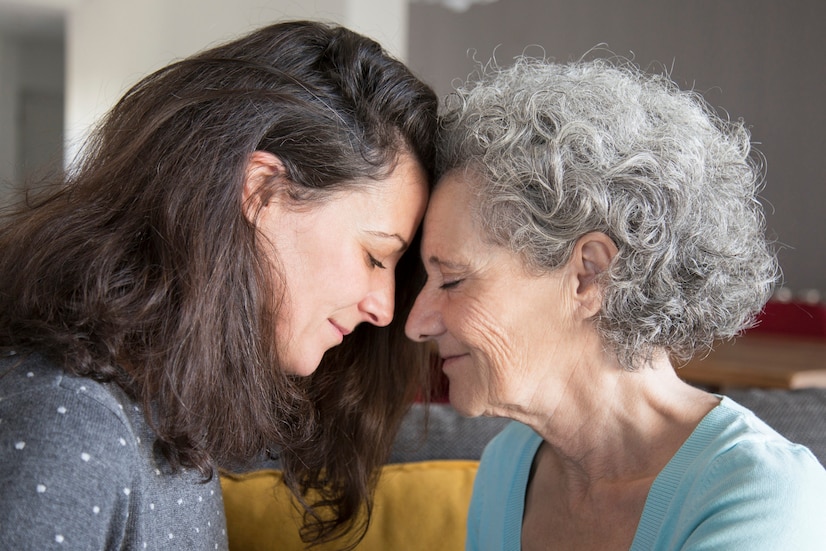
Personal care may seem like a small part of dementia care—but it shapes a person’s entire day.

Clean clothes.
Brushed teeth.
Hair gently combed.
Hands washed.
A clean brief.

These are not cosmetic details. For a person living with dementia, personal care is about dignity, comfort, and being treated as someone who still matters.

Yet in long-term care and memory care settings, personal care is one of the most commonly rushed, delayed, or missed aspects of care.

Not always because caregivers don’t care – but often because the system is stretched thin.


Why Dignified Personal Care Is So Important in Dementia Care

In many long-term care communities, staff are responsible for too many residents with too little time. When this happens, care becomes task-focused instead of person-centered.

Harmful assumptions can also creep in:

  • “They don’t notice anymore.”
  • “They don’t care how they look.”
  • “They’ll just resist.”

But here is the truth we cannot ignore:

People with dementia are often more aware than we think.
Even when words fade, emotional awareness remains.

Think about how you feel when you leave the house not looking or feeling your best. That discomfort does not disappear with dementia. In many cases, it intensifies – because the person may feel something is wrong without being able to explain it.

Personal care communicates something powerful:
You are worth care. You are worth time. You are worthy of dignity.

It is also directly tied to health outcomes:

  • Clean skin reduces infections and skin breakdown
  • Oral care lowers the risk of pain, aspiration, and pneumonia
  • Clean clothing and briefs reduce UTIs and irritation
  • Grooming supports comfort, confidence, and calmer behavior

When dignity is protected, health improves.


Why People With Dementia Need Help With Personal Care

One of the most misunderstood parts of dementia care is why personal care becomes difficult.

Dementia changes the brain in ways that affect planning, sequencing, and initiation – even for tasks someone did independently for decades.

As dementia progresses:

  • The brain may no longer remember that personal care needs to happen
  • The person may forget when it should happen
  • Sequencing steps (turning on water, picking up a toothbrush, knowing what comes next) becomes difficult
  • Multiple steps can feel overwhelming
  • Sensations like discomfort or uncleanliness may not register the same way

This is not stubbornness.
It is not refusal.
It is the disease affecting the brain.

Without guidance and hands-on support, personal care can quietly disappear – not because it isn’t needed, but because the brain can no longer manage it alone.


What Dignified Personal Care Should Include

Personal care is not optional. It is essential care.

At a minimum, dignified dementia care should include:

  • Clean, weather-appropriate clothing changed daily
  • Teeth brushed or dentures cleaned morning and night
  • Hair gently brushed or styled in a familiar way
  • Hands washed regularly, especially before meals
  • Clean, dry briefs or undergarments checked frequently
  • Face washed and skin cared for
  • Privacy, modesty, and respect at every step

These details directly affect how a person feels in their body – and in the world.


Dementia Personal Care at Home: What Families Can Do

Caring for someone with dementia at home can make personal care one of the hardest parts of the day. Resistance is common – not because the person doesn’t need care, but because the experience can feel confusing or overwhelming.

The environment matters more than many realize.

Before personal care begins, ask:

  • Is the room warm enough?
  • Is the lighting soft and calming?
  • Is the space quiet and unrushed?

A cold room, harsh lights, or hurried tone can trigger anxiety before care even starts.

Helpful strategies include:

  • Keeping routines consistent
  • Preparing the space ahead of time
  • Using warm towels and comfortable water temperatures
  • Offering choices instead of commands
  • Explaining steps gently, even if repeated
  • Focusing on comfort rather than perfection
  • Being mindful of past trauma
  • Asking for help before burnout sets in

Personal Care in Memory Care and Long-Term Care Communities

Families often assume that once a loved one moves into a care community, dignified personal care is guaranteed. Unfortunately, that is not always the case.

In busy environments, care can become task-driven instead of person-centered.

Families can and should:

  • Ask how often personal care is provided and documented
  • Clarify expectations for grooming, oral care, and clothing changes
  • Share lifelong routines, preferences, and sensitivities
  • Request care plan meetings when concerns arise
  • Speak up when care is missed or rushed

Advocacy is not being difficult.
It is protecting dignity.


A Message to Memory Care and Long-Term Care Directors

Dignified personal care starts with leadership.

As leaders, we are entrusted with the lives and daily care of some of the most vulnerable people in our society. That entrustment is profound – and it must be taken soberly. Families are not just choosing a building or a program; they are placing their loved ones, and their trust, in our hands.

Staff take their cues from what is taught, modeled, and enforced. It begins with us.

Education matters

  • Teach that personal care directly affects health, comfort, and behavior
  • Reinforce that emotional awareness often remains long after memory fades
  • Help staff understand that rushing or skipping care communicates something powerful

Expectations must be clear

  • Define what daily personal care includes
  • Set standards for grooming, oral care, clothing, and toileting
  • Ensure expectations are written, taught, and reinforced
  • Enforce no–cell phone policies during resident care time
  • Acknowledge that time spent on personal devices is time taken away from residents who rely entirely on staff for care and dignity

Personal care requires presence. Phones divide attention from residents who need eye contact, patience, and human connection.

Inspiration sustains culture

  • Share resident stories and life histories
  • Remind staff these are someone’s parent, spouse, or grandparent
  • Recognize staff who consistently provide compassionate care

Accountability requires courage

  • Address patterns of missed or rushed care
  • Coach first, but do not look away
  • Understand that accountability is protective, not punitive

Ignoring poor care does not protect staff.
It harms residents.


A Truth We Must Hold Together

Personal care is one of the clearest reflections of how we value another human being.

When it is rushed or overlooked, something deeper is lost. When it is done with patience and presence, dignity is preserved.

Even in an industry overwhelmed by staffing shortages, regulations, and challenges that can feel insurmountable, we cannot look away from this. The pressures are real – but so is the person standing in front of us, depending on others for care.

People living with dementia are still here. They are still feeling. They are still deserving of care that honors who they are.

The details may seem small – but to someone who depends on others for everything, they are everything.


hands
Daily Life & Caregiving

The Signals That Matter: Body Language and Tone in Dementia Care

I remember being in a memory care community during a time of staffing challenges. We were all in the large dining room, residents eating dinner, when two staff members started discussing their frustration with the schedule and a coworker. As the conversation went on, their tone grew louder and more intense.

I felt a tap on my arm.

“Am I in trouble?” a resident asked, her eyes wide with worry. “Why is everyone so angry?”

Her concern was real, raw, and visible. I quickly asked the staff to take their conversation elsewhere. One of them looked puzzled. “Sure, but she has dementia. It’s not like she can understand what we’re saying.”

But in so many ways, she did understand.

When we think about communication, we often focus on words – the questions we ask, the stories we tell, the instructions we give. But for someone living with dementia, communication goes far beyond language. As dementia progresses, the ability to understand words can become more challenging, and our loved ones increasingly rely on nonverbal cues – the subtle signals we send through body language, tone of voice, and facial expression.

Sometimes the assumption is made that because the person living with dementia has short-term memory loss or is experiencing confusion, they don’t notice our stress, impatience, weariness, or frustration. In reality, the opposite is often true – they may be even more attuned to those emotions than we realize.

The Power of Nonverbal Communication

Even when words fail, people with dementia are often keenly aware of how we make them feel. They pick up on:

  • Tone of voice: A gentle, calm tone can reassure and soothe, while a rushed or frustrated tone can cause anxiety or confusion.
  • Facial expressions: A warm smile can invite connection, while a frown or tense expression may create tension, even if our words are kind.
  • Body language: Leaning in to show attention, maintaining an open posture, or offering a supportive touch can communicate care far more effectively than words alone.

Our body speaks a language that resonates at a deep, almost instinctual level. People living with dementia subconsciously look for these cues to understand how safe, supported, and valued they are.

Why Words Alone Aren’t Enough

Imagine trying to follow a conversation while someone speaks in a calm, warm voice versus a hurried, distracted one. Even if the words are the same, the experience feels completely different. For someone with dementia, how we say something often matters far more than what we say. Words can lose meaning, but the emotions and actions we convey remain powerful guides for understanding.

Remember: We Are the Ones Who Need to Adapt

Sometimes, communicating effectively with someone living with dementia means adjusting ourselves. We may need to pause for patience, slow down, soften our tone, or use gestures to clarify what we mean. Although we have care tasks that are important, the ultimate goal in every interaction is that the individual feels safe, accepted, loved, and valued.

Practical Tips for Communicating Beyond Words

Here are strategies to help make every interaction more positive and meaningful:

  1. Smile: It may seem simple, but a genuine smile conveys warmth, kindness, and reassurance.
  2. Slow down: Speak at a gentle pace and pause to allow time for comprehension.
  3. Maintain eye contact: It shows attention, interest, and respect.
  4. Be mindful of your tone: Calm, reassuring voices help reduce anxiety.
  5. Use supportive gestures: Open hands, a light touch on the hand, a hug when it is welcomed, or leaning slightly forward can communicate presence and empathy.
  6. Mirror emotions carefully: A gentle nod of agreement or soft smile can reinforce comfort and connection.

The Heart of Connection

Ultimately, communicating with someone living with dementia isn’t just about transferring information – it’s about conveying love, patience, and understanding. When we pay attention to our own nonverbal cues and adapt to meet their needs, we can reduce frustration, enhance trust, and create moments of genuine connection.

h15-1-1
Working with Dementia

In Our Home, We Dance: A Call to Stop Correcting and Start Connecting in Dementia Care

I was in a memory care community some time ago, doing a sing-along with a group of residents. The piano keys rang out as I played an old familiar waltz — one of those songs that stirs something deep, something that memory loss can’t erase. A woman, maybe in her mid 70s, rose from her seat with a radiant smile and began to sway to the music. Her movements were gentle, full of grace. But within moments, a staff member called out sharply:

“Sit down! You know you’re not supposed to get up like that.”

She wasn’t a significant fall risk. She wasn’t unsafe. She was simply dancing. I watched the smile leave her face. She began to walk around, confused.

A few minutes later, she noticed another resident whose blanket had slipped to the floor. Tenderly, she smiled, picked it up, and began to tuck it around the woman’s shoulders. Again, staff intervened:

“I told you — leave her alone! That’s not your job.”

When she wandered over to the piano with childlike curiosity and joy, eager to be part of the music, she was met with another correction:

“That’s not for you. I told you — go sit down!”

Then came the heartbreak. Her face flushed. She grew agitated. Distressed. Tried to leave the community altogether, setting off the door alarm. The staff labeled it a “behavior.” But I saw something else that broke my heart:
A spirit being chipped away, one “no” at a time.


What We Hear All the Time — and Why It Hurts

I wish this had been a rare occurrence. Sadly, it isn’t. These kinds of harsh corrections happen every day in memory care communities. You’ve probably heard them too:

  • “Stop that!” when a resident tries to push another’s wheelchair out of a desire to help.
  • “Sit down!” barked at someone who, due to memory loss, doesn’t remember they can no longer walk unassisted.
  • “Don’t touch that!” when a resident reaches for something that sparks interest or familiarity.
  • “That’s not yours!” when someone picks up a purse or sweater — because in their mind, it may truly be theirs.
  • “You already ate!” when someone asks when lunch is — for the third time.
  • “You live here now, remember?” said to a resident asking to go home.

These reactions are often born out of frustration — and sometimes fear — especially when staff feel overwhelmed or unsupported. But they leave behind lasting damage. These aren’t just “corrections.” They are often the cause of distress, agitation, and emotional pain.


Why Correction Doesn’t Work

Alzheimer’s and other forms of dementia damage the parts of the brain responsible for short-term memory, logic, decision-making, and impulse control. This means:

  • They may not remember the “rules” you just told them.
  • They may not understand your tone or reasoning.
  • They may not grasp why you’re upset — only that you are.

What may look like “noncompliance” or someone “being difficult” is often simply confusion or an unmet need. What appears to be “wandering” might be a search for safety, belonging, or purpose. What we label “attention-seeking” is often a deep desire for connection — to feel seen, useful, and loved.

When we correct, scold, or lecture, we’re not helping them remember.
We’re only making them feel wrong, small, ashamed, and unwanted.


Stop Correcting. Start Connecting.

Think about how you feel when someone corrects you harshly. Embarrassed? Defensive? It certainly doesn’t create a connection with the person doing the correcting.

We must stop treating people living with dementia like children who need to be managed. They are adults with a lifetime of experience — worthy of honor, dignity, and grace.

Here’s what works instead:

  • Take “no” out of your vocabulary. Redirect with kindness. If she wants to dance, let her. If safety is a concern, say, “Let’s do this together.”
  • Validate first. If he thinks he needs to go to work, don’t say, “You’re retired, remember?” Say, “You’ve always been such a hard worker. They were lucky to have you. Want to tell me about your job?” Then find something meaningful for him to do.
  • Don’t call it a “behavior” unless it truly is. Getting up, helping others, asking questions — these are human expressions, not problems.
  • See the need behind the action. Every “behavior” communicates something: loneliness, boredom, pain, fear, or love. Ask yourself: What is this person trying to tell me?
  • Let go of rigid expectations. Stop demanding that people with dementia sit still, stay quiet, and follow every “rule” we’ve subconsciously created. Life doesn’t end with a diagnosis — why should joy and purpose?

It Starts With Us

I often think of the signs we hang as decor in our own living rooms — “In our home we are kind, we have fun…”

We need to decide that in our memory care homes, we create a culture of dignity — without exception.

Just because someone has worked in memory care for years doesn’t mean they get to carry forward poor habits. As leaders, we MUST set the standard: This is how we do things here.

Culture change begins with leadership and accountability. It begins when caregivers and staff agree:
In our home, we treat each person as we would want to be treated.

That means:

  • A reminder to staff: residents are not children. Even if their abilities regress, they are still adults. 
  • .An understanding that the memory care community is their home — not ours. Our role is not to correct, fix, scold, or impose unnecessary restrictions. Our role is to gently guide.
  • Acknowledging that correction is stressful — for both the resident and the caregiver. Validation creates a far more peaceful environment.
  • Setting — or resetting — expectations. Caregivers must be engaged with the residents during their shift, not scrolling phones while the residents are “parked” in front of the television.
  • Modeling dignity and respect for every team member to follow. Remove “no,” “stop that,” and “don’t you remember?” from our vocabulary.
  • Speaking up when we witness interactions that aren’t honoring. Mistreatment – including raised voices – is never acceptable.
  • Teaching caregivers that there is a better and more dignified way. Instead of “Stop that,” try, “Thank you for your help. I appreciate you.” Then gently redirect.
  • Being willing to acknowledge when a caregiver is not a good fit for dementia care, and is unwilling to change poor habits.

As leaders in dementia care we MUST lead the way in creating and maintaining a culture of dignity and honor in our communities. We are entrusted with the precious lives of people who cannot speak up for themselves – and they are depending on us to be their voice. As family members, we must speak, act, and advocate for our loved ones until dignity is the standard, not the exception. Anything less is unacceptable.


We all want the same thing: a safe, loving, joyful environment where people with dementia are truly living — not just existing.

So let’s start here:

In our home, every person is valued.
In our home, we treat others as we would wish to be treated.
In our home, we don’t say “no” when we could say “yes.”
In our home, we dance.
In our home, we honor.
In our home, our words are kind, never harsh.
In our home, we care with love.

If you’re ready to shift from correcting to truly connecting, we’re here to help you make it happen. Our free staff training, Connecting Instead of Correcting, is designed to equip your team with practical, compassionate strategies that create a calmer, happier, more dignified environment for everyone.

Email mary@dementialife.care for more information.

vegetables
Daily Life & Caregiving

“Let Me Help!” — The Power of Purposeful Activity in Dementia Care

When someone you love is living with dementia, it’s easy to feel like your job is to take everything off their plate. Cook the meals. Fold the laundry. Water the plants. Sweep the porch. You do it because you care, because it’s faster, because you’re trying to be kind.

But here’s the beautiful truth: your loved one still wants to help. In fact, they need to.

People with dementia may struggle with memory or decision-making, but their desire to be useful — to contribute, to care for their surroundings, to feel a sense of purpose — remains strong. It’s part of what makes us human. And giving someone the opportunity to be productive in a way that’s familiar to them isn’t just “nice.” It’s essential.

A Moment I’ll Never Forget

I remember visiting a memory care community one afternoon and noticing a woman sitting quietly in the corner. Her face was blank, her body still. She seemed completely disengaged—like the world was happening around her, not with her. Staff gently offered her snacks, conversation, even music, but nothing seemed to connect.

Then something simple happened: we handed her a bowl and asked, “Would you mind helping us stir this?”

At first, nothing. Then, slowly, she reached for the spoon. Her hand started to move in a gentle circle. And then — she stood up. She began stirring with purpose. Her expression changed. There was life in her eyes. She even began humming softly as if her body and spirit suddenly remembered something joyful.

It was incredible. In just a few moments, she had gone from withdrawn to engaged, simply because someone saw her not as a person to be cared for, but a person who could still contribute.

That moment sticks with me because it’s a perfect example of why purposeful activity matters. Sometimes all it takes is the right invitation—and a little trust that there’s still so much more within.


Why Productivity Matters More Than Perfection

Research (and lived experience!) tells us that familiar, purposeful activity releases feel-good brain chemicals like dopamine and serotonin. Think of these like a warm cup of tea for the nervous system—calming, centering, and uplifting.

When someone with dementia gets to do something they’ve always done — like watering the houseplants they used to tend so lovingly, or folding towels the way they always did after laundry day — it creates a spark of recognition. Their brain remembers the rhythm of the task. Their body remembers how it feels. They feel successful, and you get to witness a beautiful moment of “Hey, I’ve got this.”

Even simple routines like sweeping the porch, setting the table, or organizing the junk drawer can ignite that powerful sense of I belong and I matter.


The Memory That Stays: The Strength of Muscle Memory

One of the most surprising and hopeful things about dementia is this: short-term memory is often the first to go, but long-term memory — especially task-related memory — can stick around far longer.

That means even if your loved one can’t remember what they had for breakfast or what day it is, they might still remember exactly how to make the bed, or wash dishes, or iron a shirt. It’s called procedural memory, and it lives deep in the brain’s wiring.

This kind of memory is like riding a bike — once you learn it, your body tends to hold onto it, even when other types of memory fade. That’s why someone might light up and start humming while sweeping the floor or tying an apron — those motions and patterns are familiar, comforting, and accessible.

So if you’re ever wondering, “Would they even remember how to do this?” — give it a try. Start the motion yourself. Hand them the item. Guide their hand with your hand. Use visual or tactile cues. You might be amazed at how their hands remember what their mind forgot.


How to Incorporate Purpose

  • Make it familiar. The magic happens when the activity feels like them. Was Dad a mechanic? Let him sort and shine a box of old tools. Did Mom run a tight household? Ask her to show you how she used to fold towels. Was your aunt a teacher? Let her review coloring pages or lead a story time. These aren’t chores — they’re ways to connect with who they’ve always been.
  • Keep it simple. Skip anything too complex or multi-step. One-task-at-a-time is best. If it feels confusing, break it down or model it.
  • Stay safe. No sharp tools, hot stoves, or stairs if mobility’s a concern.
  • Don’t correct. If the towels are folded “wrong,” let it go. This isn’t about perfect linens — it’s about an affirming moment.

Adapting Activities: It’s Not About What They Can’t Do

One of the biggest mindset shifts in dementia care is moving from “they can’t do that because they have dementia” to “how can we adapt this so they still can?” Almost every activity can be modified to match a person’s current abilities—cognitively, physically, and emotionally. The goal isn’t perfection—it’s participation, connection, and confidence.

Start by asking:

  • What part of this task do they still enjoy or understand?
  • What used to be meaningful or familiar?
  • Can I simplify the steps or provide visual or tactile cues?
  • Is there a way to do this seated or with lighter materials?
  • How much help is just enough?

This is what occupational therapists call the “just right” amount of support — not doing it for them, but not leaving them to struggle either. You’re creating the sweet spot where they can feel successful with a little help.

💡 Example:

If someone used to bake every Sunday but now gets overwhelmed by too many steps or instructions, adapt it:

  • Pre-measure the ingredients and label them with big, simple numbers.
  • Let them do the stirring, pouring, or adding sprinkles.
  • Use a boxed mix instead of a recipe from scratch.
  • Play their favorite music while you work to make it fun and familiar.

Even if the end result is lumpy muffins and a messy counter, they helped. And they probably smiled. That’s the win.

So whether it’s gardening, painting, organizing, or folding towels — don’t scrap the activity. Just reshape it. Strip it down to what still brings joy and pride, and build from there.


And here’s another powerful truth: being helpful can be one of the best tools for behavior management. When someone with dementia is anxious, agitated, or stuck in a loop of worry, inviting them to help with something can redirect that energy into something productive and calming. Instead of saying “don’t do that” or “calm down,” try saying, “Could you help me with this?” or “I need your advice.” Giving someone a role and a task — even a simple one — can ease frustration and create a sense of control, dignity, and peace.

Making It Part of the Routine: Care Plans with Purpose

One of the best ways to make purposeful activity stick is to build it right into the daily routine and care plan. Just like meals, medications, and hygiene, meaningful tasks deserve a place on the schedule. Think of it as “purposeful time,” not “free time.” Whether it’s folding laundry after breakfast, checking the garden in the afternoon, or helping set the table before dinner, anchoring these familiar tasks into the rhythm of the day helps the person feel more secure and engaged. Work with your care team — or if you’re a care partner, with your fellow staff — to identify what this person used to love doing or feel good doing, and adapt it for today’s abilities. Person-centered care means who they are, shapes what they do, and when daily life reflects their story, it becomes more comfortable, connected, and empowering.

We All Need Purpose

Here’s the thing—purpose isn’t just a dementia care strategy. It’s a human need. Every one of us wants to feel useful, needed, and part of something. It’s what gets us out of bed in the morning and helps us sleep better at night. Purpose gives our days shape and meaning. When we feel like we matter—whether we’re nine or ninety, cognitively sharp or living with dementia — our mental health improves, our mood lifts, and our overall well-being thrives. That doesn’t change just because someone has memory loss. In fact, in a world that may feel increasingly confusing or disorienting, a sense of purpose becomes even more essential. It grounds us. It reminds us that we’re still us. And for many, having a job to do — even a small one — can be a powerful antidote to sadness, anxiety, or stress. It creates a sense of normalcy, belonging, and joy in the everyday.


In a World That Can Feel Confusing, Purpose Brings Peace

At Dementia Life STL, we believe productivity doesn’t have to mean doing more — it means finding meaning in what we can do. For someone with dementia, being part of caring for their home, their space, and their people brings comfort, confidence, and connection.

So the next time your loved one says, “Let me help,” let them.

Give them the duster. Hand them the laundry basket. Invite them to stir the soup.

Let them show you that even now, they still have so much to give.


💬 Have a story to share about a loved one and their favorite “daily job”? We’d love to hear it! Comment below or message us—your story could inspire another caregiver to try something new.

man holding chin
Family SupportPersonal Stories & Testimonies

Beyond ‘Let Me Know What I Can Do’: Showing Up for Dementia Caregivers and Their Loved Ones”

Caring for someone with dementia is one of the most quietly heroic roles a person can take on. It’s a journey full of love and loss, connection and confusion, heartbreak and grace — sometimes all in a single day. But while the primary caregiver may carry the most visible weight, dementia affects entire families and communities. And it will take all of us — not just professionals, but friends, neighbors, churches, and extended family — to rise and meet the growing needs of those living with dementia.

If someone you know is a caregiver, we want to speak directly to you.

You may have said, “Let me know what I can do.” And while that’s a kind and well-meaning phrase, it often puts the responsibility back on the caregiver — the very person already running on fumes.

Let’s move beyond that. Let’s step in, with love, intention, and practical support.


I Will Never Forget What Janine Did

It was late summer of 2008 in northern lower Michigan. My daughter had just been diagnosed with Type 1 diabetes, and we were in the ICU of our local hospital. Although we’d noticed some symptoms, the diagnosis hit like a gut punch — completely out of the blue. What I knew about Type 1 diabetes wouldn’t have even filled a sticky note. Overnight, our world changed.

Janine, the mom of my daughter’s best friend and a lifelong friend of mine, called and asked, “When is your meeting with the diabetes educator?”

“10:00,” I said, a little confused. “Why?”

Her response?
“Because I want to be there. I want to learn everything I can to help.”

To this day, tears still come to my eyes when I think about that moment. I was drowning in fear and overwhelm. And suddenly, someone was beside me — not with vague offers of help, but actually showing up. That gesture didn’t make everything okay, but it made the burden feel lighter. I felt less alone. I felt hope. It helped me believe we might actually find our way forward.

What does this have to do with dementia?

Everything.


Dementia Caregivers Need Their “Janine”

When someone in your life is caring for a loved one with dementia, they’re carrying far more than meets the eye.

They are navigating:

  • Financial challenges, including the high cost of care, medications, and medical equipment
  • Scheduling chaos, juggling work, caregiving, family, and countless doctor and specialist appointments
  • Behavioral changes in their loved one that can be heartbreaking, confusing, and difficult to manage
  • Emotional grief, as the person they care for slowly changes — and the relationship they once leaned on feels like it’s slipping away

They are managing all of this without enough rest, often without support, and sometimes without acknowledgment. They need someone to stand beside them and say, “You’re not alone. I’m here.”


Practical Ways to Show Up

1. Learn a Little About Dementia

Dementia isn’t just memory loss. It affects how someone understands the world, responds to others, and handles daily tasks. Learning just a bit helps you become a more compassionate presence.

Start here: www.dementialife.care/events


2. Offer Specific, Simple Help — At Home or in Memory Care

Whether the person with dementia is still living at home or has moved into a memory care or assisted living community, there are meaningful and practical ways to help. Here are some ideas that make a real difference:

For Home Caregivers:

  • “Can I sit with your mom Thursday morning so you can take a break?”
  • “I’m dropping off groceries — what can I pick up for you too?”
  • “I’m heading to the pharmacy — do you need anything?”
  • “I’d love to bring over a meal or walk the dog this week.”

For Caregivers With a Loved One in Memory Care or Assisted Living:

  • Stop by to visit the person with dementia — even short visits matter. Just being a friendly, familiar face can bring joy.
  • Join them for a meal — mealtimes can feel lonely; sitting beside them communicates that they’re still seen and valued.
  • Bring thoughtful supplies — hand lotion, favorite snacks, coloring books, family photos, or soft blankets can add comfort and joy.
  • Check in on their care — ask staff how things are going and share any feedback with the caregiver. Your extra set of eyes is helpful and supportive.
  • Send a card or photo — even if they can’t always respond, your presence is felt.

If the Caregiver Has a Difficult History With Their Loved One:

  • Be a buffer. If the caregiver has experienced a painful or complicated relationship with their loved one, simply being present can be a powerful support. Offer to accompany them to a visit, or even visit on their behalf. You can be a gentle bridge between them and the person they’re caring for — someone to absorb some of the emotional weight, to witness the hard moments, and to offer encouragement afterward.
  • Reassure without judgment. Let them know that complicated relationships don’t disqualify them from being loving — and that it’s okay to feel a mix of emotions, including grief, anger, compassion, and sadness all at once.
  • Help them set boundaries when needed — or honor the ones they’ve already set. Sometimes, caregiving means overseeing care from a distance. That still counts. That still matters.

3. Check In Without Expecting Anything in Return

Send a text. Leave a voicemail. Mail a card. Just say, “Thinking of you today. You’re doing an amazing job, even if it doesn’t feel like it.” Your words can be a lifeline.

Whether it’s a meal, a moment, or a mindful presence — these small, intentional actions can remind someone they are not alone in this journey.

4. Be Present, Even If It’s Hard

You may feel unsure of what to say. That’s okay. Just being there — making space for laughter, for tears, for ordinary moments — helps keep the caregiver and their loved one connected to the life they still have.


5. Be Part of Their Circle of Support

Form a small, informal care team. One friend brings meals. Another helps with errands. Another checks in each week. When the burden is shared, it becomes bearable.


The Gift of Being Needed

Here’s the secret: this isn’t just about what they need. It’s also about what you will receive.

When you choose to carry someone else’s burden — even while carrying your own — something holy happens. You become part of something bigger than yourself. You rediscover compassion, connection, and purpose.

You become a living example of a simple truth found in Galatians 6:2:
“Carry each other’s burdens, and in this way, you show the love that really matters.”

And in giving of yourself, you just might find your own heart healed in places you didn’t even know were aching.


Together, We Can Do This

Dementia is growing faster than our systems can manage. It will not be solved with money alone. It will be solved by us — by everyday people deciding to be present, to be informed, and to act in love.

You are needed. You are capable. You are not too busy or too far removed to make a difference.

Be the one who shows up. Be the one who learns. Be the one who gives, even when life is hard.

Because one day, someone may say of you:
“I’ll never forget what they did.”


Want to learn more or share this with others? Visit us at www.dementialife.care for resources, workshops, and simple ways to get involved.

Together, we can build a world where no one walks this path alone.

bathroom2
Daily Life & CaregivingFamily SupportResources & Tools

Dignity in the Bathroom: Practical Tips for Restroom & Personal Care Challenges in Dementia

Let’s talk about one of the most common, the most difficult, — and the least talked about — challenges in dementia care: bathroom issues.

If you’re helping a loved one who’s forgetting how to use the toilet, having accidents, or resisting help with personal care, you’re not alone. These moments can feel overwhelming — but with the right tools and mindset, they can be managed with compassion, dignity, and even a little humor.

At Dementia Life STL, we’re here for the everyday, behind-the-scenes work that no one sees — but that matters more than words can say.


When the Role Reverses: Caring for a Parent in the Bathroom

Helping a parent with personal care is deeply emotional. You may feel:

  • Awkward
  • Embarrassed
  • Overwhelmed
  • Heartbroken
  • Guilty

You’re stepping into a role reversal most people are never prepared for. You’re doing something intimate and vulnerable — for someone who once did everything for you. That takes incredible strength.

These emotions are normal.

How to Handle the Discomfort

  • Name the feeling – “This is hard” is a valid truth.
  • Pause and breathe – Center yourself before entering the space.
  • Remind yourself of their “why” – The person can’t help the restroom challenges they are facing
  • Remind yourself of your ‘why’ – Love. Loyalty. Compassion.
  • Use humor when appropriate – It can diffuse tension and create connection.
  • Seek help and community – Find others who are also on a journey of caring for someone with dementia and lean on each other.

You are allowed to feel uncomfortable and do the hard thing anyway. That’s courage. That’s caregiving.


Why Bathroom Challenges Happen

Restroom needs often become more complex as dementia progresses:

  • Memory loss – Forgetting where the bathroom is or when to go
  • Mobility issues – Trouble getting there in time
  • Communication – Inability to express the need
  • Visual/spatial changes – Bathroom doesn’t “look right” to them
  • Incontinence – Can increase over time

Sometimes, people simply get distracted or can’t process the signals their body is sending them.


8 Caregiver-Approved Tips That Work

While restroom challenges may never go away, there are some things you as a caregiver can do to make it easier.

1. Create a Routine

We can’t stress enough how important a daily routine is in dementia care! Someone with dementia is typically unable to guide themselves through a path that includes the daily essentials for wellness – nutrition, hydration, movement, and restroom needs. It’s SO important to encourage bathroom visits every 2–3 hours, even if they don’t ask. Try:

  • First thing in the morning
  • Before and after meals
  • Before bed
  • Before leaving the house

When eating, hydration and movement happen close to the same times every day, restroom needs become more predictable too – which will make it easier on everyone involved!


2. Make the Bathroom Easy to Find

  • Leave doors open and lights on
  • Use clear signage with images
  • Consider motion-sensor lights at night

3. Improve Visibility & Comfort

  • Use a brightly colored toilet seat to increase visibility
  • Add non-slip rugs, grab bars, and a raised seat
  • Remove clutter to prevent confusion and distraction

4. Simplify Clothing

  • Elastic waistbands
  • Velcro closures
  • Avoid belts, zippers, and buttons

Quick, easy removal makes success more likely.


5. Use Incontinence Products with Confidence

Adult briefs, pads, or pull-ons can make life much easier. Choose what fits their level of mobility and dignity.

When to Change Briefs:

  • After a bowel movement or major leak
  • Every 2–4 hours during the day
  • At bedtime and first thing in the morning
  • Anytime they feel wet or uncomfortable

How to Change Briefs:

  1. Gather supplies – Gloves, wipes, barrier cream, clean brief, disposal bag
  2. Offer privacy – Close doors, speak reassuringly
  3. Clean thoroughly – Wipe front to back, gently
  4. Check skin – watch for redness, rash, open sores, blisters, skin breakdown in folds or pressure points
  5. Apply barrier cream – Helps protect skin
  6. Dispose discreetly – Use a scented or sealed bag
  7. Wash your hands and breathe – You just did something loving

6. Approach and Respond with Calm and Kindness

Accidents are inevitable, and in these deeply vulnerable moments, it’s so important to prioritize dignity. 

Say:

“Let’s get you cleaned up. You’re okay.”
“It’s no big deal—we’ll take care of it.

Avoid:

  • Shaming
  • Rushing
  • Scolding
  • Showing frustration or disgust

Be mindful of their history. Some individuals living with dementia may have experienced trauma earlier in life — such as abuse, neglect, or assault — that they cannot express or recall clearly. Being touched or exposed during personal care can unknowingly trigger fear or resistance.

That’s why gentleness matters:

  • Announce each step before you do it
  • Ask permission, even if they can’t respond with words
  • Make eye contact and offer reassurance
  • Use slow, calm movements to maintain trust

Your respectful, patient approach helps restore a sense of safety and dignity — especially for someone who may no longer be able to ask for it.


7. Plan Ahead When Out

  • Pack a “go bag” with extras – briefs, wipes, and dry clothing
  • Know restroom locations
  • Use companion cards to discreetly explain behaviors if needed

8. Talk to the Doctor

Significant bathroom changes can signal:

  • UTI
  • Constipation
  • Medication side effects
  • Dehydration
  • Other medical conditions

Keep a care log of changes and concerns, and bring them to the care team.


It’s Not About Control—It’s About Compassion

These challenges aren’t a sign of failure on the part of the person with dementia OR on the part of the caregiver. They’re part of the dementia journey—and you’re doing something extraordinary by showing up with care and consistency.

Every trip to the bathroom, every changed brief, every awkward moment—you are preserving their dignity and meeting a need with love.

That’s what caregiving looks like.


Final Encouragement

This is sacred, quiet work. It’s not always talked about, but it’s deeply human.

If you’ve ever wiped tears while wiping someone clean — you’re not alone.
If you’ve ever felt like you couldn’t do it, then did it anyway — you’re not alone.
If you love someone through the hardest parts — you’re a hero in plain clothes.

At Dementia Life STL, we’re with you. And we’re so proud of you.


👋 Share Your Tips!

Have your own bathroom-care hacks or wisdom to share? Send them to contact@dementialife.care — you never know who you’ll help.

Group Of Seniors Enjoying Dancing Club Together
Daily Life & Caregiving

Person Centered Care: Honoring the Individual Behind the Diagnosis

At Dementia Life STL, we believe that even as dementia changes a person’s memory and abilities, it doesn’t change who they are at their core. That’s why person-centered care is at the heart of everything we do — and why we encourage families, care partners, and professionals to embrace it every day.

What Is Person-Centered Care?

Person-centered care means seeing the person first, not the dementia. It’s about honoring their unique history, preferences, values, and personality — not just managing symptoms or tasks. It shifts the focus from what needs to be done to what matters to this person right now.

In short: It’s not just about giving care. It’s about giving care with love, dignity, and respect for the whole person.

Why It Matters

For someone living with dementia, the world can become confusing, frustrating, and sometimes frightening. When we center care around who they are, we help them feel safe, seen, and valued—even if they can’t express it in words.

Person-centered care can:

  • Reduce anxiety and agitation
  • Improve communication and connection
  • Enhance quality of life
  • Restore dignity in moments that might otherwise feel vulnerable or disorienting

And for caregivers? It brings more meaning and less stress to daily routines, turning tasks into moments of connection.


How to Incorporate Person-Centered Care into Daily Life

You don’t need to overhaul everything. Person-centered care is made up of small, intentional choices. Here’s how to get started:

1. Build routines around their rhythms and preferences

Do they like coffee before breakfast? A walk after lunch? What was their daily routine prior to dementia? Try to stick to familiar patterns that bring comfort and reduce confusion.

2. Use their name often and talk to them like an adult

Even if your loved one struggles to respond, the tone and respect in your voice make a difference. Speak to them, not around them.

3. Incorporate what they love

Play their favorite music. Cook a childhood recipe. Watch an old movie they adored. These familiar joys can spark memories and calm the mind.

4. Surround them with meaningful objects

Photos, keepsakes, and even favorite scents (like lavender or fresh-baked cookies) can bring peace and connection to the present moment.

5. Adapt activities to what they can do

Person-centered care focuses on ability, not loss. If they can no longer write, can they help choose a card? Fold towels? Sort buttons by color? Look for ways to involve them with dignity.


Making It a Team Approach

You might be the heart of your loved one’s care—but you’re not the only one involved. Whether there’s a home aide, adult day center, family helpers, or a long term care community, here’s how to make sure person-centered care is shared across the team:

Create a “Who They Are” Snapshot

Write down a few key things:

  • Preferred name
  • Favorite foods, music, and pastimes
  • Routines that are familiar and meaningful
  • Triggers to avoid (like loud noises or crowded rooms)
  • Calming strategies, phrases, and activities that work

Share this with anyone who interacts with your loved one. Post it on the fridge, keep a copy in their room, or include it in their care plan.

Hold regular check-ins

If others help with care, meet every so often (even briefly) to talk about what’s working, what isn’t, and how to keep the person at the center of the plan.

Be their voice when needed

If your loved one can’t speak up for themselves, you can. Advocate for care that honors who they are, not just what’s on the task list.


In the End…

Person-centered care isn’t a technique — it’s a mindset. It’s love in action. It’s the promise that you still matter, even when memories fade.

At Dementia Life STL, we see you. We’re walking with you. And we believe that every person living with dementia deserves to be known, respected, and cherished.

Let’s keep putting the person first — together.

💙
— The Dementia Life STL Team

senior delusions
Understanding Dementia

Dementia Behaviors 101

One of the greatest difficulties in caring for someone with dementia are the behavior changes that can – and often do – occur. People living with dementia often behave in ways that can feel incredibly challenging, leaving us as caregivers bewildered and unsure how to respond..

Why do behaviors occur?

Behaviors are typically communication of a need. Dementia can damage the part of the brain that controls the person’s ability to express their needs, wants, discomfort or distress through words. What we see as anger, aggression, etc., is quite often physical, emotional, or environmental distress that the individual is trying to communicate, but is unable to do so.

What we see as anger, aggression, etc., is quite often physical, emotional, or environmental distress that the individual is trying to communicate, but is unable to do so.

How to respond to challenging behaviors

Discover the need.

When a challenging behavior occurs, the first thing you can do as a caregiver is try to discover the possible need, beginning with physical needs. Check for the following:

  • Pain
  • Illness
  • Hunger/thirst
  • Restroom needs

Quite often taking the person to the restroom, resolving pain, or giving them a snack/drink will alleviate the distress. If it does not, check for the following environmental needs:

  • The individual feels too cold or too hot
  • They are wearing clothing or shoes that are too tight, or uncomfortable
  • The environment is loud/noisy
  • Glares or shadows

People living with dementia have difficulty controlling their emotions or expressing them in a reasonable way and may be experiencing:

  • Confusion
  • Frustration with a task that feels too complicated
  • Lonely/sad
  • Fearful or anxious
  • Angry or agitated

Behavior Basics

While every individual is unique, there are some basic guiding principles when responding to challenging behaviors.

Approach the individual in a calm, caring manner. Ensure they have seen you and you have connected with them before you touch them or enter their personal space. Touching someone with dementia when they haven’t seen you can startle them and escalate the behavior.

Don’t argue, correct or scold the individual. Remember, the behavior is not intention, it is communication of a need.

Join their reality. People living with dementia can be living in a reality very different than ours. They may be connected to a time frame in their early years. They may believe things that are not happening or see things that are not there. While your natural instinct may be to correct the person and try to drag them back into reality as you know it, it’s much more effective, comforting, and honoring to agree with them and validate their reality. While you don’t have to agree with the content that is being presented to you, you can agree that it is the individual’s truth – and validate their truth.

Agree with the person. Mirror back to them what they are saying. This will reassure the person that they have been heard and someone cares. “Yes, someone took your purse; I’m so sorry that happened” is far more effective than correcting them and saying, “You are imagining things, no one took your purse.”

Discover the need and meet the need. Check for physical, environmental, or emotional causes of distress and make the needed changes to restore the person to a feeling of calm and well-being.

Keep a behavior log. Try to identify possible triggers of behaviors and work towards prevention.

Use person-centered approaches; this means, knowing the person’s preferences, history, likes and dislikes – the things that calm them and the things that cause them distress.

Ways to prevent behaviors.

Although dementia related behaviors can’t be avoided altogether, there are things we can do to significantly lessen the frequency or severity.

Remain calm. Studies have shown that many behaviors could have been avoided by a using a calm, caring, and dementia aware approach. If you find yourself become frustrated, remove yourself from the situation.

Establish a daily routine that includes structured mealtimes, hydration, exercise and rest . By creating structure and predictability for the individual with dementia, you will minimize distress and ensure key needs are being met. Learn how to create a daily routine by clicking here.

Establish a restroom schedule. Guide the individual to the restroom every two hours. Not only will this lessen incontinence episodes – and therefore stress for you as a caregiver, but it will minimize discomfort and anxiety in the individual.

Maintain a calm environment. An environment that is loud or chaotic can quickly trigger a behavior. Learn more about creating a dementia aware environment by clicking here.

Reach out for support. Dementia is a challenging disease, and caregivers need the support of others who understand. Connect with a support group in your area, or a virtual support group. 

By responding with patience, empathy, and understanding, you can help make the journey of caregiving a little easier, both for you and for your loved one. Your care and compassion can make all the difference in their well-being.

Getting acquainted with teenager’s world
Working with Dementia

Engaging Individuals with Dementia: A Meaningful Approach

Engaging individuals with dementia is one of my favorite topics to discuss. I’ll never forget my first visit to a memory care facility and the profound impact it had on me. Residents were either sleeping in wheelchairs, slumped at tables with their heads resting on their arms, or staring at blank walls. I remember thinking, “There has to be a better way.”

And there is!

Simply placing an individual in front of a television is not real engagement. While it may seem like the easier option, in the long run, it can make caregiving more difficult.

Engagement—helping someone experience a meaningful and purposeful day—is vital for individuals with dementia. There are many reasons why this is so important:

1. Engagement helps maintain function.
Studies show that engagement in activities can help individuals maintain both cognitive and physical abilities for longer periods. The longer someone with dementia can maintain their abilities, the better it is for both them and their caregivers.

2. Engagement reduces challenging behaviors.
Participating in activities can significantly reduce anxiety and stress, which in turn helps manage challenging behaviors. A person with dementia who is engaged in enjoyable and purposeful activities will be less likely to express difficult behaviors. Coupled with a structured routine and a dementia-aware environment, life becomes much easier for everyone involved.

3. Engagement encourages better rest at night.
When someone is engaged and active throughout the day, they are more likely to have a restful night. The body and mind need the stimulation of meaningful activities during the day to encourage quality sleep.

4. Engagement boosts self-esteem.
When someone is involved in activities they enjoy or feel successful doing, they experience a strong sense of accomplishment and well-being. This can help improve their overall mood and self-esteem.


Types of Activities to Try

1. Physical Exercise
Exercise should be a daily part of life for someone with dementia, and many activities can be adapted for those in wheelchairs. Here are a few ideas:

  • Going for a walk
  • Chair exercises (YouTube is a great resource)
  • Chair dancing or standing dance
  • Chair yoga
  • Stretching exercises
  • Stationary bike (consult a physician)

2. Cognitive Activities
Just as we work our bodies, we should also exercise our brains. Consider these cognitive activities for your loved one:

  • Large-print word search
  • Simplified crossword puzzles
  • Reading the daily newspaper
  • Playing checkers or dominoes
  • Playing Uno or “War” with large-print cards
  • Reading a book or reading aloud together
  • Identifying states on a map
  • Playing matching games
  • Playing “Finish the Phrase”
  • Saying prayers or reading the Bible together

3. Outdoor Activities
Being outside can be very stimulating and enjoyable. Try these:

  • Gardening or planting flowers
  • Going to a park
  • Feeding birds
  • Raking leaves
  • Watching dogs at a dog park
  • Sipping a beverage on the porch
  • Tossing a ball or playing cornhole/horseshoes

4. Music and Art
Don’t be afraid to try new activities. A daughter once said, “My dad will never paint – he’s not into that.” But I watched as he created a beautiful sunset painting, completely absorbed in the colors. Here are some other ideas:

  • Listening to music
  • Playing “Name That Tune”
  • Attending a virtual music event together
  • Singing
  • Painting or coloring
  • Taking photos together
  • Knitting, crocheting, or rolling yarn
  • Creating collage art or making cards
  • Making jewelry with large beads

5. Sensory and Personal Care
Engaging the senses can be calming and soothing. Here are a few activities to try:

  • Smelling essential oils
  • Giving hand massages with lotion
  • Doing a “mini-makeover”
  • Brushing hair or giving a manicure
  • Creating a “rummage box” filled with safe items to explore

6. Purposeful Activities
Involving someone in everyday tasks can make them feel useful and needed. Some activities include:

  • Baking or cooking together
  • Snapping beans or shucking corn
  • Setting the table
  • Washing or drying dishes
  • Folding laundry
  • Sorting socks or buttons
  • Shelving books
  • Clipping coupons

Best Practices for Engagement

  • Use invitations carefully. Instead of asking “Do you want to?” say “It’s time to…” This can make it easier for someone with dementia to understand and participate, rather than defaulting to “no” because they are unsure. Sometimes, simply starting an activity and inviting them to join can be effective.
  • Focus on the experience, not perfection. The goal of any activity is not to do something perfectly, but to have a positive experience. Encourage your loved one to try and praise their efforts, never redoing their work in front of them.
  • Keep it short. Limit activities to 20-30 minutes, as this is often the ideal length for someone with dementia.
  • Be flexible. If an activity doesn’t work, try something else or try again later. What doesn’t work today might work tomorrow.
  • Prioritize safety. Know your loved one’s safety needs. For example, someone who puts non-food items in their mouth should not engage in jewelry making or use modeling clay unsupervised.
  • Adapt activities to their abilities. Almost any activity can be modified to suit a person’s abilities. For example, when baking cookies:
    • Early stage: Help set out supplies, read the recipe, or measure ingredients.
    • Middle stage: Pour, stir, or roll dough.
    • Late/end stage: Engage the senses by allowing them to smell, touch, or taste the ingredients.

By incorporating these activities and strategies into daily life, you can provide individuals with dementia a more engaged, meaningful, and fulfilling experience.

older hands making a puzzle, memory exercises
Understanding Dementia

Understanding Dementia

Dementia is not a disease itself but a term for a group of symptoms caused by damage to the brain due to various diseases, such as Alzheimer’s. The symptoms vary depending on which part of the brain is affected.

Signs of Dementia

  1. Difficulty Completing Familiar Tasks
    While needing help with new technology or adjusting to unfamiliar environments is common with aging, struggling with tasks that were once easy can indicate dementia. You may notice:
    • Inability to follow a familiar recipe
    • Forgetting the rules of a familiar card or board game
    • Getting lost on the way to a familiar location
    • Difficulty completing daily tasks like laundry in the correct sequence
  2. Memory Changes Affecting Daily Life
    Minor memory lapses, such as forgetting to buy an item or an appointment, are typical with aging. However, when memory loss impacts daily activities, it may signal dementia. Common signs include:
    • Forgetting names or plans
    • Repeating the same questions
    • Forgetting important events or dates
    • Misplacing items and being unable to retrace steps
    • Unexplained weight gain or loss
    • Neglecting personal grooming habits
  3. Difficulty with Problem-Solving, Planning, or Money Management
    Occasional forgetfulness about paying a bill is normal, but someone with dementia may struggle with regular bills, problem-solving, or planning. Warning signs include:
    • Paying the same bill multiple times
    • Forgetting to pay bills on time
    • Inability to use correct currency denominations
    • Poor judgment or decision-making regarding money management
  4. Changes in Communication (Speaking or Writing)
    While occasional word-finding difficulties can be part of normal aging, dementia may cause more noticeable issues with communication. Symptoms include:
    • Repeating the same thing over and over
    • Using incorrect names for familiar objects
    • Difficulty understanding what others say or following conversations
    • Trouble reading or writing words

Changes in Mood, Personality, and Social Habits
While disinterest in social obligations can happen with age, someone with dementia may withdraw significantly from social activities. This is often a result of the cognitive changes listed above.

What to Do if You Notice Signs of Dementia

  1. Don’t Ignore the Signs
    • Recognizing these changes can be emotionally challenging and even frightening. However, it’s important not to ignore them.
  2. Keep Track of Observations
    • Document the changes you observe in a notebook or log. This information can be valuable when consulting with a physician.
  3. Consult a Physician
    • Make an appointment with a doctor to rule out other potential causes of memory loss and discuss treatment options.
  •  
  •