

Daily Life & CaregivingEmotional & Spiritual SupportPersonal Stories & TestimoniesResources & Tools
THE NURSE WHO COULD TALK TO ANYONE
I’ve always seen myself as someone who connects easily with others. Striking up conversations with strangers, finding common ground with people from all walks of life — it came naturally to me. I prided myself on being nonjudgmental and making others feel at ease, no matter their background or story.
It’s one of the reasons I felt so drawn to nursing. That ability to build quick trust became one of my greatest strengths as a Registered Nurse.
WHEN CONFIDENCE TURNS TO UNCERTAINTY
But when I started working with patients with dementia, something shifted.
For the first time in my career – maybe in my life – that ease didn’t come so naturally. The connection I had always relied on felt just out of reach. And that was a humbling experience.
I expected my personality, my training, and my nursing background to be enough. Afterall, I had studied the symptoms. I understood the disease process. I had practiced communication strategies and memorized the medications and treatments used for common behaviors. I was prepared… or so I thought.
But nothing quite prepared me for the real thing.
I became rigid. Uncomfortable. Unsure of myself and my actions. I had been taught to speak to and treat my elders in a certain way, and suddenly, none of it seemed to apply. I was in a world of unknowns — and frankly, it baffled me.
TRAINING ISN’T THE SAME AS EXPERIENCE
The truth is, no amount of training can fully ready you for the emotional, unpredictable, often tender moments that come with caring for someone with dementia.
And that’s okay.
It’s okay if you feel uncomfortable at first. I did, too.
I remember second-guessing my words, wondering if I was doing the right thing, feeling overwhelmed when a patient grew agitated or confused. I wanted to fix it. I wanted to connect. And sometimes —despite my best efforts — I felt like I was falling short.
But what I’ve come to realize over time is this: Caring for someone with dementia is not about perfection. It’s about presence.
THE MOMENT IT CLICKED
I remember the exact moment it finally clicked — the moment I truly understood what it takes to work with someone living with dementia.
I was caring for a patient in a dementia unit at a long-term care facility. She sat in her wheelchair, parked in the hallway, firmly refusing to return to her apartment. After trying every gentle nudge I could think of, I gave in and began changing her wound dressing right there in the hallway.
As I worked, I heard footsteps approaching from around the corner. A Physical Therapist appeared, guiding another dementia patient beside him. He was trying to teach her how to use her walker safely, but she was growing more frustrated and agitated by the second.
I paused, curious to see how he would respond.
Then, something beautiful happened.
He stopped. He turned to face her, looked into her eyes with calm assurance, and gently took the walker from her hands, setting it aside.
Then, with a warm smile, he extended his hand and asked:
“May I have this dance?”
She giggled — an honest, childlike laugh — and placed her hand in his. And just like that, they began ballroom dancing down the hallway. Not walking. Not redirecting. Dancing.
They floated down the corridor as staff, visitors, residents, and even physicians watched with wide smiles. Laughter filled the space as they moved together—completely immersed in the moment.
And that’s when it hit me.
WHAT I KNOW NOW
There is no one-size-fits-all approach. What worked for one person on Monday may not work for another on Tuesday. And that’s okay.
It’s okay to learn as you go. It’s okay to take a breath, to pause, to regroup. It’s okay to make mistakes — and it’s more than okay to forgive yourself for them.
Because what matters most is that you show up. And that you keep showing up. That you offer kindness, patience, and grace — not just to the person you’re caring for, but to yourself as well.
CONNECTION BEYOND WORDS
Working with dementia patients has taught me that connection doesn’t always come from words. Sometimes it’s found in quiet companionship, a gentle touch, or a shared moment of laughter. Sometimes, simply being there — calm, steady, and compassionate — is enough.
So if you’re new to this, if you’re struggling, if you’re wondering whether you’re doing it “right,” I want you to hear this clearly:
You are not alone.
It’s okay to ease into it. It’s okay if it doesn’t come naturally. And it’s absolutely okay to grow into the role over time.
THE LONG AND WINDING ROAD
Dementia care is a journey — one of empathy, adaptation, and continuous learning. And if your heart is in the right place, you’re already doing better than you think.
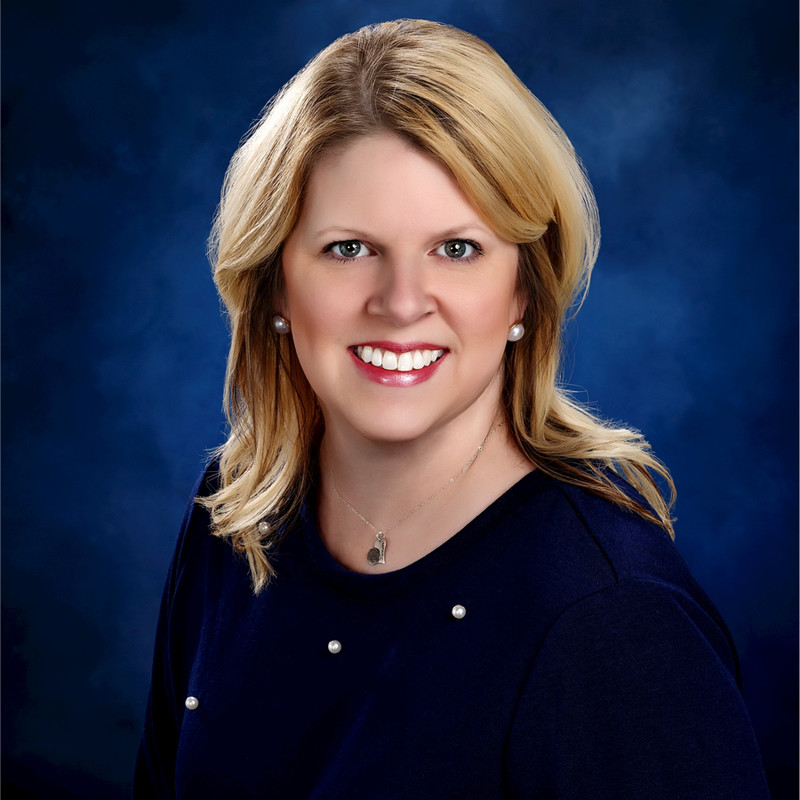
-Brooke Glenn RN




This is amazing
So proud of you Brooke.
This world needs more nurses like you.