

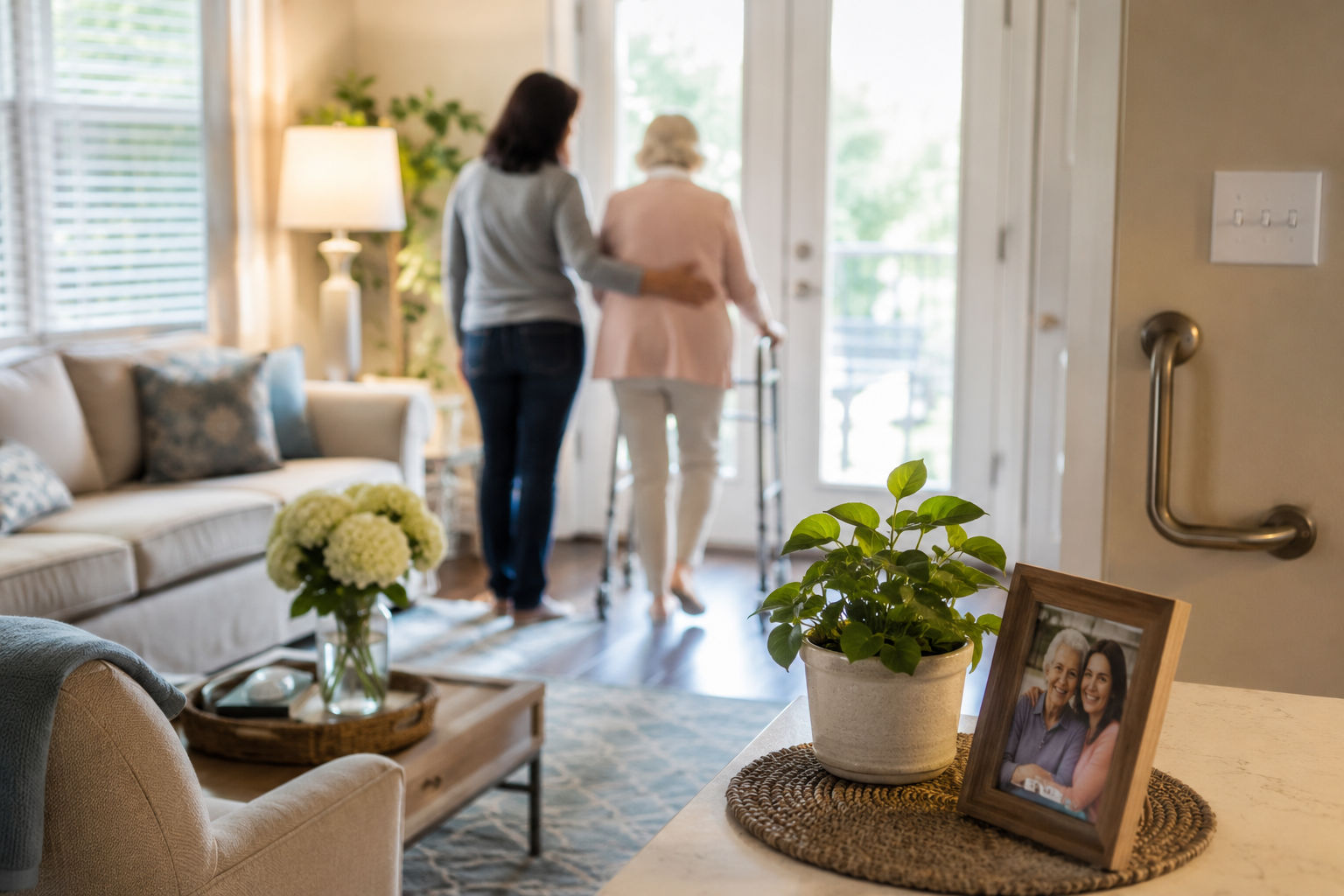
Creating a Dementia Safe Home by Sherri Hercules
When a loved one is diagnosed with dementia, home often remains the place where they feel most comfortable and secure. Familiar surroundings can provide a sense of independence, comfort, and routine. However, as dementia progresses, changes in memory, judgment, perception, and physical abilities can make everyday household environments increasingly hazardous.
Creating a dementia-safe home is one of the most important steps caregivers can take to protect their loved one while helping them maintain dignity and quality of life. The goal is not to restrict independence but to reduce risks and create an environment that supports safety, comfort, and confidence.
Understanding How Dementia Affects Safety
Dementia impacts more than memory. It can affect a person’s ability to:
- Recognize hazards
- Make safe decisions
- Follow instructions
- Navigate familiar spaces
- Use household appliances correctly
- Remember safety precautions
- Respond appropriately during emergencies
As a result, activities that once seemed routine can become confusing or dangerous. A proactive approach to home safety can help prevent accidents and reduce stress for both caregivers and their loved ones.
Start with a Home Safety Assessment
Walk through the home room by room and look for potential hazards from your loved one’s perspective.
Ask yourself:
- Could they trip over this?
- Could they mistake this item for something else?
- Could they become confused in this area?
- Is there anything that could cause injury if misused?
Regularly reassessing the home is important because safety concerns often change as dementia progresses.
Reduce Fall Risks Throughout the Home
Falls are one of the most common causes of injury among individuals with dementia.
To improve safety:
- Remove loose rugs and floor mats.
- Secure electrical cords against walls.
- Keep walkways free of clutter.
- Repair uneven flooring.
- Arrange furniture to create clear walking paths.
- Ensure frequently used items are within easy reach.
Small changes can significantly reduce the risk of falls and related injuries.
Improve Lighting
Changes in vision and depth perception can make navigating the home more difficult. Good lighting can help reduce confusion and improve safety.
Consider:
- Installing brighter light bulbs.
- Adding nightlights in bedrooms, hallways, and bathrooms.
- Improving stairway lighting.
- Reducing glare from windows and reflective surfaces.
A well-lit environment can make daily activities easier and safer.
Make the Bathroom Safer
Bathrooms can be especially hazardous because of slippery surfaces and limited space.
Safety improvements may include:
- Installing grab bars near toilets and showers.
- Using non-slip bathmats.
- Adding a shower chair.
- Installing a handheld showerhead.
- Raising toilet seats if mobility is limited.
These modifications can help reduce fall risks while supporting independence.
Creating a Safer Kitchen
The kitchen contains many potential hazards, including sharp objects, hot surfaces, and electrical appliances.
To improve kitchen safety:
- Store knives and sharp utensils in locked drawers.
- Keep cleaning products in secured cabinets.
- Use automatic stove shut-off devices if available.
- Remove unnecessary appliances from countertops.
- Monitor food expiration dates.
- Store frequently used items where they can be easily reached.
As dementia progresses, supervision during meal preparation may become necessary.
Secure Medications and Hazardous Materials
Memory loss can increase the risk of accidental poisoning.
Store the following items in locked cabinets or secure locations:
- Prescription medications
- Over-the-counter medications
- Vitamins and supplements
- Cleaning products
- Laundry detergents
- Pesticides
- Automotive fluids
Keep all products in their original containers and clearly labeled.
Address Wandering Risks
Many people living with dementia experience wandering or become disoriented, even in familiar environments.
To improve safety:
- Install door alarms or monitoring systems.
- Place locks out of direct sight when appropriate.
- Ensure your loved one carries identification.
- Keep recent photographs available.
- Inform trusted neighbors about the situation.
Creating a plan before wandering becomes a problem can provide peace of mind.
Simplify the Living Environment
Too much clutter, noise, or visual stimulation can increase confusion and anxiety. A simpler environment often promotes greater comfort and independence.
Consider:
- Removing unnecessary decorations.
- Organizing frequently used items consistently.
- Keeping furniture arrangements stable.
- Reducing excessive noise from televisions or radios.
A calm environment can help your loved one feel more secure.
Use Labels and Visual Cues
As memory challenges increase, labels can help individuals navigate their surroundings more easily.
Examples include:
- Labeling drawers and cabinets.
- Using pictures alongside words.
- Marking bathroom doors clearly.
- Posting daily schedules or reminders.
Visual cues can reduce frustration and support independence with daily tasks.
Prepare for Emergencies
Every caregiver should have an emergency plan in place.
Important steps include:
- Posting emergency phone numbers in visible locations.
- Maintaining an updated medication list.
- Installing and testing smoke detectors regularly.
- Keeping fire extinguishers accessible.
- Creating an evacuation plan.
Reviewing emergency procedures with family members can help everyone feel more prepared.
Consider Bedroom Safety
Sleep disturbances are common in people living with dementia.
To improve nighttime safety:
- Use nightlights.
- Remove clutter around the bed.
- Keep pathways to the bathroom clear.
- Consider bed alarms if wandering is a concern.
- Maintain a consistent sleep routine.
Creating a calm and predictable sleeping environment can reduce nighttime confusion.
Adapt as Needs Change
Dementia is a progressive condition, which means safety needs will change over time. What works today may need to be adjusted in the future. Regularly evaluating your loved one’s abilities and the home environment can help ensure that safety measures remain effective.
Working with healthcare providers, occupational therapists, and dementia care specialists can provide valuable guidance as new challenges arise.
Remember the Importance of Comfort and Dignity
While safety is essential, it is equally important to preserve your loved one’s sense of independence and identity.
Whenever possible:
- Include them in decisions about home modifications.
- Encourage participation in daily activities.
- Focus on abilities rather than limitations.
- Make changes gradually when possible.
A dementia-safe home should not feel restrictive. Instead, it should provide an environment where your loved one can continue to live as comfortably and independently as possible.
Final Thoughts
Creating a dementia-safe home is one of the most meaningful ways caregivers can support a loved one living with dementia. By reducing hazards, improving organization, planning for emergencies, and adapting the environment to changing needs, families can help prevent injuries and promote a greater sense of security.
Remember that creating a safe home is an ongoing process. Small improvements made over time can have a significant impact on your loved one’s safety, comfort, and quality of life while also providing caregivers with greater confidence and peace of mind.