Daily Life & CaregivingEmotional & Spiritual SupportUncategorized
In spring, flowers do not bloom because we tell them to. They bloom when they are given the right conditions: sunlight, nourishment, time, and care.
The same is true for people living with dementia.
Meaningful engagement does not happen simply because we place an activity in front of someone. True engagement happens when we understand who that person is, who they have always been, and what continues to give their life meaning and purpose.
I believe that every person living with dementia remains a whole person with a rich history, enduring preferences, and a deep need for purpose. Dementia changes the brain, but it does not erase identity.
When we make engagement person-centered, we are no longer asking:
“How can we get this person to comply?”
Instead, we ask:
“Who is this person, and what would bring meaning to this moment?”
Why Person-Centered Engagement Matters
Person-centered engagement is rooted in one simple but powerful principle:
People living with dementia are more likely to feel calm, connected, and fulfilled when they are engaged in activities that reflect their identity and life story.
In many cases, behaviors we view as “challenging” are actually attempts to communicate an unmet need.
Often, that unmet need is purpose.
The Deep Human Need for Purpose
Many people living with dementia feel an internal sense that they are supposed to be doing something important.
They may pace.
They may repeatedly ask to “go home.”
They may say they need to “get to work.”
They may become restless or anxious.
These are not random behaviors.
They are often expressions of an inner awareness – what I often call the person’s internal “knower.”
A retired teacher may feel she should be helping others learn.
A father may feel responsible for protecting his family.
A homemaker may feel compelled to keep things orderly.
A mechanic may feel he should be fixing something and using his hands.
A nurse may feel the need to care for others.
The individual may no longer be able to explain what they are feeling, but deep inside, they know they are meant to contribute.
When we provide meaningful roles, we honor this need and help restore a sense of belonging, dignity, and purpose.
Understanding the Whole Person
To create truly person-centered engagement, we must become curious about the person’s life story.
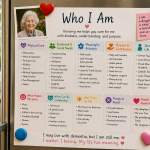
Important areas to explore include:
Past Roles and Identity
How did they see themselves?
- Mother or father
- Teacher
- Farmer
- Veteran
- Caregiver
- Community leader
Hobbies and Interests
What brought them joy?
- Gardening
- Fishing
- Sewing
- Music
- Sports
- Cooking
- Reading
Culture and Traditions
What customs shaped their life?
- Holiday celebrations
- Family recipes
- Language
- Ethnic traditions
- Community gatherings
Spiritual Beliefs
What gave them comfort and meaning?
- Prayer
- Worship services
- Sacred music
- Scripture readings
Work History
What skills and routines defined their professional life?
- Managing schedules
- Repairing equipment
- Teaching others
- Organizing paperwork
Daily Routines
What was their usual rhythm?
- Early riser or night owl
- Day shift or evening shift
- Re-entering the home after a day’s (or night’s) work
Personality
Were they:
- Outgoing or private?
- Structured or spontaneous?
- Humorous or serious?
- Independent or collaborative?
Preferences
What did they consistently enjoy—or avoid?
Sensory Likes and Dislikes
What sensory experiences brought comfort, and which ones caused distress?
Current Abilities
What can they still do successfully with or without support?
Best Time of Day
When are they most alert, calm, and engaged?
Creating Meaningful Roles
One of the most powerful ways to support someone living with dementia is to give them a purposeful role.
This role should feel familiar and meaningful – not artificial or childish.
Meaningful roles draw from the person’s lifelong responsibilities, routines, and strengths.
Examples of Meaningful Roles at Home
- Folding laundry
- Sorting mail
- Watering plants
- Setting the table
- Matching socks
- Organizing photos
- Stirring ingredients
Examples in Assisted Living or Memory Care
- Welcoming other residents
- Delivering napkins
- Helping arrange flowers
- Organizing activity supplies
- Reading aloud
- Leading songs or prayers
These tasks may seem simple, but to the individual they can represent something profoundly important:
“I still matter.”
“I still contribute.”
“I still have a purpose.”
Real-Life Examples
The Homemaker
A woman who spent decades caring for her family became anxious each afternoon. When staff invited her to fold towels and organize linens, she became noticeably calmer.
The Teacher
A retired educator often corrected others and became frustrated. Giving her books to look through and papers to organize allowed her to reconnect with her lifelong identity.
The Farmer
A lifelong farmer paced and asked to go outside. Providing seed catalogs, potted plants to water, and opportunities to spend time outdoors significantly reduced his restlessness.
The Nurse
A former nurse frequently followed other residents in an effort to help them. Instead of discouraging this, staff invited her to assist with comfort rounds and hand out blankets.
Matching Engagement to Current Abilities
Person-centered engagement is not about asking someone to do what they used to do exactly as before.
It is about adapting activities to match what they can do today.
The goal is the experience, not perfection.
A former accountant may no longer balance books but may enjoy sorting papers.
A gardener may no longer manage a large yard but can water a few plants.
A cook may no longer prepare meals independently but can stir batter or arrange ingredients.
Abilities remain throughout every stage of dementia. Our role is to identify those remaining abilities and create opportunities for meaningful participation.
Practical Questions to Ask
When planning engagement, consider:
- Who has this person always been?
- What responsibilities gave them meaning?
- What skills remain intact?
- What brings comfort and joy?
- What time of day are they most successful?
- What role can they still fulfill today with adaptation and support?
A Garden Still in Bloom
Dementia changes many things, but it does not eliminate the human need to feel useful, connected, and valued.
When we learn a person’s story and create opportunities that reflect their identity, we help them continue to bloom – to remain an active part of their world rather than merely existing in ours.
A folded towel.
A watered plant.
A set table.
These moments may appear ordinary, but they carry extraordinary meaning.
Because beneath the cognitive changes, the person is still there.
Still capable of contributing.
Still longing for purpose.
Still deserving of dignity.
Still blooming.