Working with Dementia
Engaging individuals with dementia is one of my favorite topics to discuss. I’ll never forget my first visit to a memory care facility and the profound impact it had on me. Residents were either sleeping in wheelchairs, slumped at tables with their heads resting on their arms, or staring at blank walls. I remember thinking, “There has to be a better way.”
And there is!
Simply placing an individual in front of a television is not real engagement. While it may seem like the easier option, in the long run, it can make caregiving more difficult.
Engagement—helping someone experience a meaningful and purposeful day—is vital for individuals with dementia. There are many reasons why this is so important:
1. Engagement helps maintain function.
Studies show that engagement in activities can help individuals maintain both cognitive and physical abilities for longer periods. The longer someone with dementia can maintain their abilities, the better it is for both them and their caregivers.
2. Engagement reduces challenging behaviors.
Participating in activities can significantly reduce anxiety and stress, which in turn helps manage challenging behaviors. A person with dementia who is engaged in enjoyable and purposeful activities will be less likely to express difficult behaviors. Coupled with a structured routine and a dementia-aware environment, life becomes much easier for everyone involved.
3. Engagement encourages better rest at night.
When someone is engaged and active throughout the day, they are more likely to have a restful night. The body and mind need the stimulation of meaningful activities during the day to encourage quality sleep.
4. Engagement boosts self-esteem.
When someone is involved in activities they enjoy or feel successful doing, they experience a strong sense of accomplishment and well-being. This can help improve their overall mood and self-esteem.
Types of Activities to Try
1. Physical Exercise
Exercise should be a daily part of life for someone with dementia, and many activities can be adapted for those in wheelchairs. Here are a few ideas:
- Going for a walk
- Chair exercises (YouTube is a great resource)
- Chair dancing or standing dance
- Chair yoga
- Stretching exercises
- Stationary bike (consult a physician)
2. Cognitive Activities
Just as we work our bodies, we should also exercise our brains. Consider these cognitive activities for your loved one:
- Large-print word search
- Simplified crossword puzzles
- Reading the daily newspaper
- Playing checkers or dominoes
- Playing Uno or “War” with large-print cards
- Reading a book or reading aloud together
- Identifying states on a map
- Playing matching games
- Playing “Finish the Phrase”
- Saying prayers or reading the Bible together
3. Outdoor Activities
Being outside can be very stimulating and enjoyable. Try these:
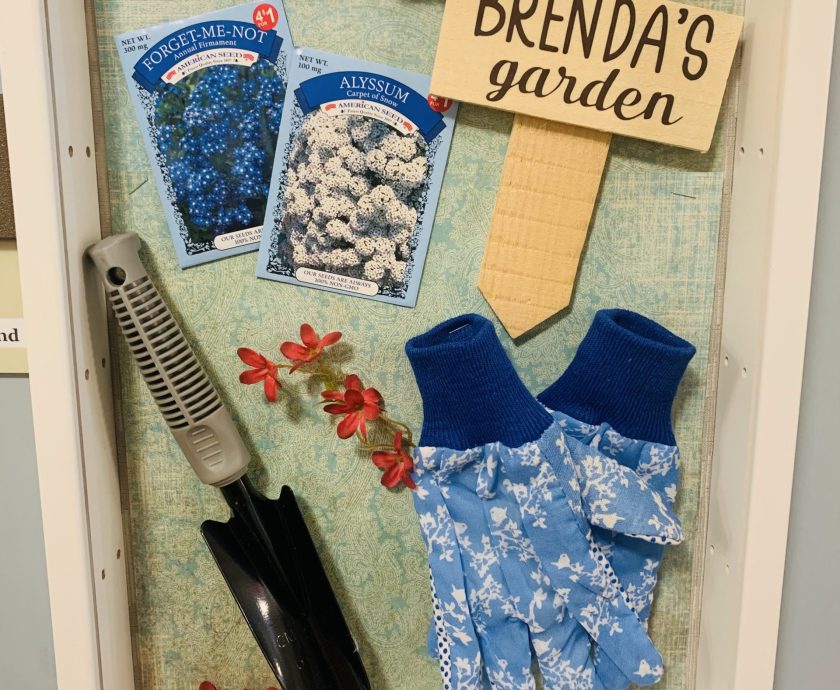
- Gardening or planting flowers
- Going to a park
- Feeding birds
- Raking leaves
- Watching dogs at a dog park
- Sipping a beverage on the porch
- Tossing a ball or playing cornhole/horseshoes
4. Music and Art
Don’t be afraid to try new activities. A daughter once said, “My dad will never paint – he’s not into that.” But I watched as he created a beautiful sunset painting, completely absorbed in the colors. Here are some other ideas:
- Listening to music
- Playing “Name That Tune”
- Attending a virtual music event together
- Singing
- Painting or coloring
- Taking photos together
- Knitting, crocheting, or rolling yarn
- Creating collage art or making cards
- Making jewelry with large beads
5. Sensory and Personal Care
Engaging the senses can be calming and soothing. Here are a few activities to try:
- Smelling essential oils
- Giving hand massages with lotion
- Doing a “mini-makeover”
- Brushing hair or giving a manicure
- Creating a “rummage box” filled with safe items to explore
6. Purposeful Activities
Involving someone in everyday tasks can make them feel useful and needed. Some activities include:
- Baking or cooking together
- Snapping beans or shucking corn
- Setting the table
- Washing or drying dishes
- Folding laundry
- Sorting socks or buttons
- Shelving books
- Clipping coupons
Best Practices for Engagement
- Use invitations carefully. Instead of asking “Do you want to?” say “It’s time to…” This can make it easier for someone with dementia to understand and participate, rather than defaulting to “no” because they are unsure. Sometimes, simply starting an activity and inviting them to join can be effective.
- Focus on the experience, not perfection. The goal of any activity is not to do something perfectly, but to have a positive experience. Encourage your loved one to try and praise their efforts, never redoing their work in front of them.
- Keep it short. Limit activities to 20-30 minutes, as this is often the ideal length for someone with dementia.
- Be flexible. If an activity doesn’t work, try something else or try again later. What doesn’t work today might work tomorrow.
- Prioritize safety. Know your loved one’s safety needs. For example, someone who puts non-food items in their mouth should not engage in jewelry making or use modeling clay unsupervised.
- Adapt activities to their abilities. Almost any activity can be modified to suit a person’s abilities. For example, when baking cookies:
- Early stage: Help set out supplies, read the recipe, or measure ingredients.
- Middle stage: Pour, stir, or roll dough.
- Late/end stage: Engage the senses by allowing them to smell, touch, or taste the ingredients.
By incorporating these activities and strategies into daily life, you can provide individuals with dementia a more engaged, meaningful, and fulfilling experience.